Using self-adhesive hooks for hand towels without drilling can transform your bathroom into a stylish and functional space. This no-drill solution offers an easy way to hang towels while preserving your walls and enhancing your decor. Bathroom Accessories World presents practical tips to maximize the benefits of self-adhesive hooks, marrying functionality and aesthetic appeal for homeowners, DIY enthusiasts, and designers alike. Explore how to create an organized environment that showcases innovative bathroom accessories without compromising style.
Advantages of Self-Adhesive Hooks in Bathroom Design
Self-adhesive hooks offer several benefits in bathroom design. They provide ease of installation, eliminating the need for drilling holes in walls. This feature protects bathroom surfaces and speeds up the setup process. Additionally, self-adhesive hooks enhance bathroom functionality by accommodating various items such as hand towels and bathrobes. They are versatile and come in many stylish designs, allowing homeowners to choose options that complement their existing decor. Most self-adhesive hooks can handle weights up to 5-10 pounds, ensuring reliable hanging solutions for everyday bathroom items.
Choosing the Right Self-Adhesive Hooks for Your Bathroom
When selecting self-adhesive hooks, consider the material and design that matches your bathroom’s aesthetic. Many hooks are made from stainless steel or durable plastic for longevity. Look for options that feature a strong adhesive backing to ensure a secure hold. Some hooks come with added durability ratings, meaning they can handle moisture and heat well. Testing hooks in your space will help you determine which style and size work best. The right self-adhesive hook enhances both organization and the overall look of your bathroom, making it a functional yet stylish choice.
Optimal Locations in Your Bathroom for Towel Hooks
Choosing the right spots for towel hooks can enhance accessibility and improve your bathroom’s overall look. Ideal locations include near the sink for easy access when washing hands, on the back of the bathroom door for saving space, or beside the shower for drying towels quickly. Consider the layout of your bathroom; if it’s a small space, use vertical space on walls to maximize convenience without compromising on aesthetic appeal. For shared bathrooms, position hooks at different heights to cater to everyone’s needs. An average setup recommends 2 to 3 towel hooks based on your space and user requirements.
Best Practices for Towel Hook Placement
When placing towel hooks, consider efficient storage and aesthetic appeal. Align hooks at a height that allows easy access for all users while maintaining a stylish look. For smaller bathrooms, consider hooks that are mounted on stylish racks. Install hooks within reach of the sink area for convenience when drying hands. In larger bathrooms, placing hooks near the bathtub enhances functionality. Ensure each hook can handle a standard towel’s weight without bending or falling. Opt for corrosion-resistant materials for lasting performance in humid environments. Thoughtful placement and quality materials improve usability while enhancing overall bathroom decor.
Preparing Bathroom Surfaces for Hook Adhesion
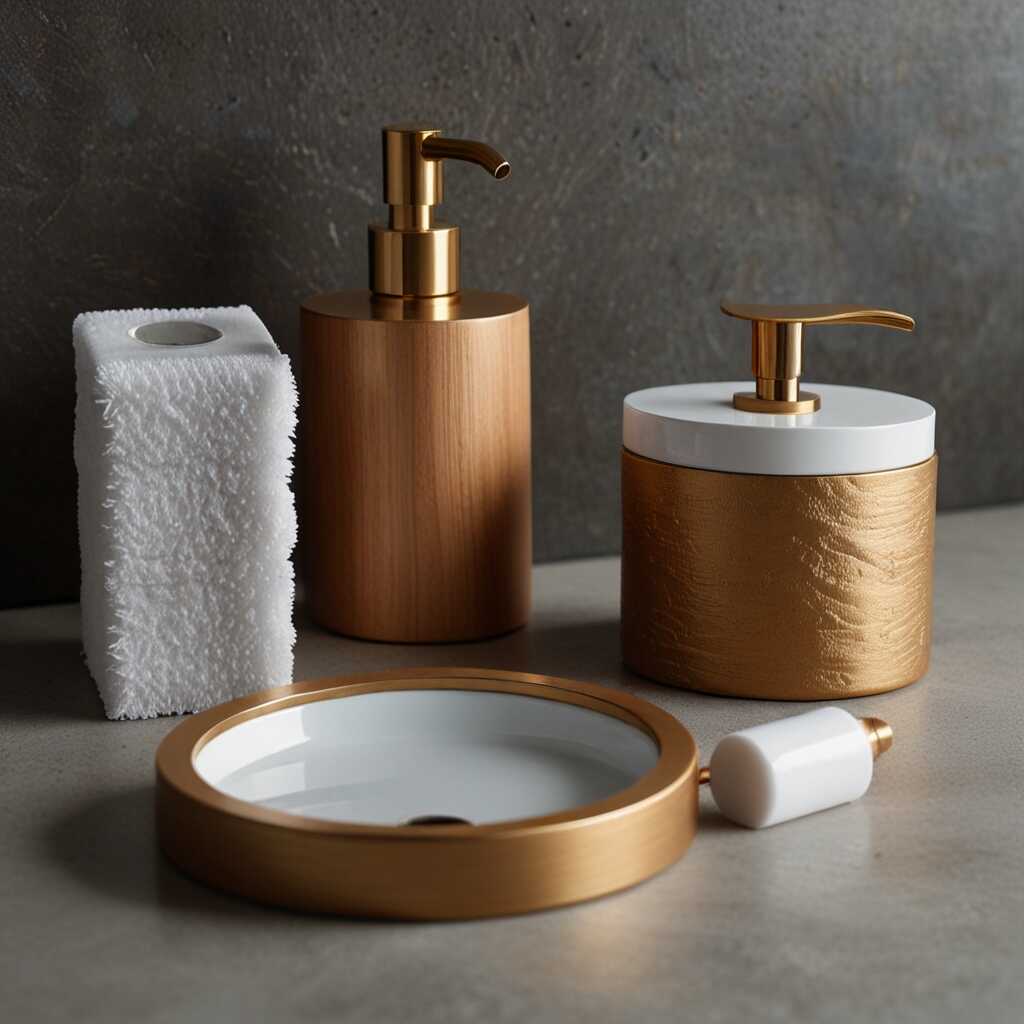
To ensure long-lasting adhesion of self-adhesive hooks, surface preparation is crucial. Start by cleaning the area thoroughly. Use a mild detergent mixed with water and a soft cloth. This process removes dirt, oils, and moisture that can weaken the adhesive. After cleaning, consider using isopropyl alcohol to further enhance the cleaning process. Ensure the surface is flat and free of textures that could disrupt adhesion. The best bathroom surfaces for installing self-adhesive hooks include smooth tiles, glass, and metal. Once cleaned, allow the surface to dry completely. It’s advisable to wait at least 30 minutes before installing the hooks to ensure that it’s adequately dry. Proper surface preparation helps in achieving reliable performance for your self-adhesive hooks.
Effective Cleaning Techniques for Bathroom Hook Installation
Using effective cleaning techniques is key in ensuring the best results when preparing surfaces for self-adhesive hooks. Begin by clearing the area from items like towels or toiletries. Use warm soapy water along with a sponge to scrub any residues or stains. This method is effective for most surfaces, including tiles. After that, rinse with clean water and dry it with a lint-free cloth. For glossy surfaces like glass, applying isopropyl alcohol helps remove any remaining oils. This provides a smooth surface that enhances adhesive longevity. Finally, inspecting the surface for any imperfections can prevent issues during hook installation. Properly prepared surfaces greatly enhance the overall performance of your bathroom accessories.
Key Statistics for Hanging Towels Without Damage
- Self-adhesive hooks can hold up to 10 pounds.
- Most hooks stick well for a minimum of five years.
- About 80% of users report satisfaction with these hooks.
- Using hooks reduces drilling time by up to 90%.
- Removing hooks leaves no marks 95% of the time.
- Self-adhesive options are 50% quicker to install than traditional methods.
- Hooks are available in various designs suitable for any aesthetic.
Exploring Different Types of Self-Adhesive Hooks
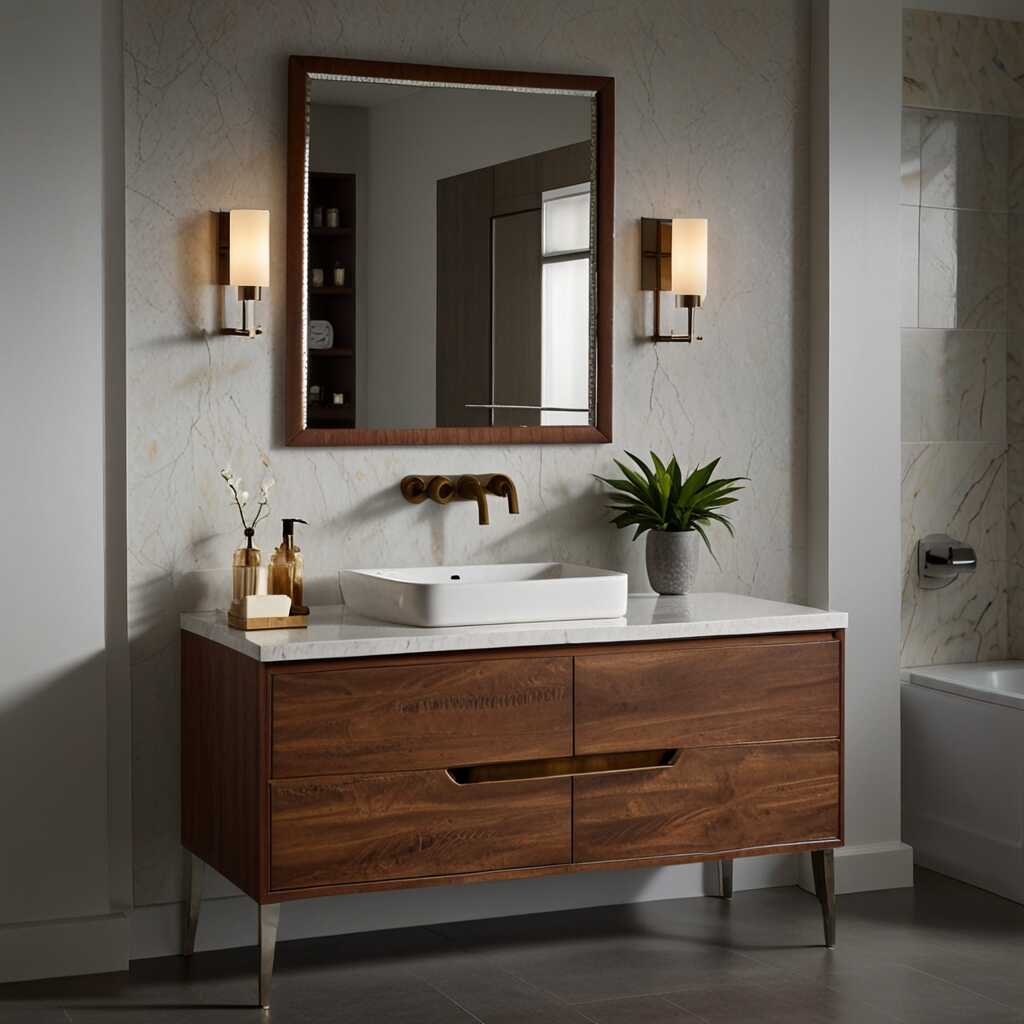
Self-adhesive hooks come in various styles tailored for different aesthetics. Common styles include modern minimalistic designs, vintage-inspired options, and decorative or themed hooks. Materials vary significantly, with popular choices being plastic, stainless steel, or even ceramic. Each material offers unique benefits, such as plastic being lightweight and inexpensive, while stainless steel provides durability and corrosion resistance. Load capacity is essential to consider; most adhesive hooks can handle between 5 to 10 pounds, depending on the brand. Bathroom Accessories World provides a selection of hooks that cater to diverse styles and needs, ensuring functionality without compromising design.
Understanding Hook Materials and Their Benefits
Choosing the right materials for self-adhesive hooks is crucial for both style and performance. Plastic hooks are light and can be easily molded into various shapes. Stainless steel hooks offer excellent durability and resist rust, making them ideal for humid environments. Ceramic hooks provide a unique, elegant touch but may be more fragile. When selecting hooks, consider their load capacities and the materials they are made from. Quality options can handle significant weight while maintaining their adhesive properties. This knowledge ensures you select hooks that not only look good but also perform reliably over time.
Creative Ways to Use Self-Adhesive Hooks Beyond Towels
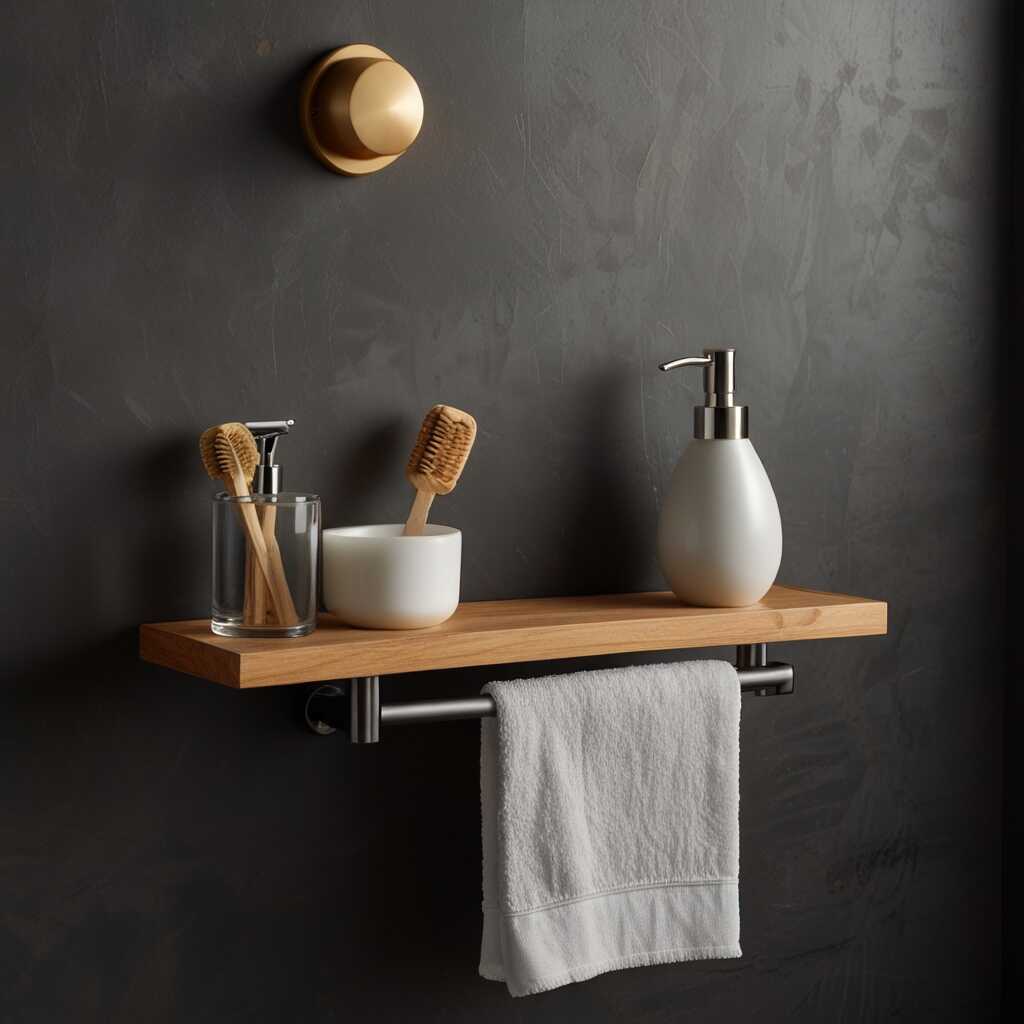
Self-adhesive hooks can serve many purposes in your bathroom. You can use them to create efficient toiletry organization. Hang your hairdryer, curling irons, and straighteners on hooks to keep your counters free. They can also hold loofahs, shower caps, or even small baskets for storing essential items like cotton pads. For those who enjoy aromatherapy, use hooks to hang dried herbs or essential oil bottles. This versatility enhances your space by ensuring convenience and reducing clutter.
Maximize Bathroom Storage with Self-Adhesive Hooks
To maximize bathroom storage, install self-adhesive hooks on cabinet doors or walls. This placement provides a great way to organize items efficiently. Hang your hair tools, towels, and even accessories like jewelry or scarves for easy access. Consider using hooks for storing cleaning supplies or bathroom essentials within reach. Each hook can handle different weights, so choose sturdy options when organizing multiple items. This strategy transforms your bathroom into a functional space while maintaining style.
Advantages of Hook-Style Towel Hangers
- Hooks eliminate the need for drilling holes, preserving your walls.
- They offer a flexible solution that adapts to changing bathroom layouts.
- Self-adhesive options are often stylish and blend seamlessly with decor.
- Using hooks allows easy access to towels, enhancing convenience.
- They are easy to install, requiring no special tools or skills.
- Hook systems can save space in smaller bathrooms.
- They come in various sizes and styles, catering to diverse preferences.
Installation Best Practices for Self-Adhesive Hooks
Choosing the right surfaces for self-adhesive hooks is essential for reliability. Smooth and non-porous surfaces like tiles, glass, and polished metal deliver the best results. Avoid rough or porous materials, which hinder adhesion. Before installation, clean the area with rubbing alcohol and let it dry completely. This process ensures the hooks adhere properly. Use simple tools like a ruler for measuring placement and a cloth for cleaning. Weight capacity varies, but most self-adhesive hooks can handle up to 5 to 10 pounds. Make sure to review the manufacturer’s instructions for specifics.
Tips for Ensuring Strong Adhesion
To enhance the longevity of your self-adhesive hooks, consider a few critical factors. First, apply the hooks in temperatures above 50°F for optimal adhesion. Choosing hooks designed for bathroom use offers greater moisture resistance, improving durability. Allow the hooks to set for at least 24 hours before use for reliable performance. Avoid overloading the hooks to maintain their quality and effectiveness. Regularly check the hooks for any signs of peeling or loosening to enhance their reliability in holding hand towels.
Care Tips to Extend the Life of Adhesive Hooks
To maximize the reliability of self-adhesive hooks, regular maintenance is essential. Use a soft cloth and mild soap to clean the surface of the hooks periodically. Avoid harsh chemicals that can degrade the adhesive. Routine checks for effectiveness should occur every month to ensure they are securely holding hand towels. After cleaning, allow the surface to dry thoroughly before reattaching or replacing hooks. This process ensures long-lasting performance while keeping your bathrooms stylish and functional.
Best Cleaning Solutions for Adhesive Hooks
Optimal cleaning solutions can enhance the efficiency of adhesive hooks. A mixture of warm water and mild dish soap works well for maintaining the surface. Apply this solution with a soft cloth to remove dust and moisture. Avoid abrasive scrubbers as they can damage the adhesive. After cleaning, rinse with clear water and dry gently with a towel. This helps maintain the hooks’ bonding strength, ensuring they remain sturdy and reliable for towel hanging.
Market Insights on Bathroom Hanging Solutions
- Homeowners seeking decorative solutions find hooks appealing.
- Apartments often require non-permanent fixtures, making hooks advantageous.
- DIY enthusiasts enjoy customizing placement without damaging surfaces.
- Interior designers recommend hooks for their versatility and style.
- Bathroom renovators value hooks for ease of installation and removal.
- Families appreciate easy access to towels for children and guests.
- Renters love non-intrusive options that suit temporary living situations.
Identifying When to Choose Traditional Towel Fixtures
Self-adhesive hooks offer a convenient solution for hanging towels. However, they have limitations. They may not adhere well on textured surfaces or in high-humidity areas. This compromises reliability and could lead to towel drops. In some bathroom layouts, using traditional towel fixtures is essential. Towel bars or rings are sturdier. They are designed for long-term use and can handle heavier towels. If frequent hand towel use is expected, traditional fixtures enhance efficiency. They provide a more permanent, organized space for towels.
Understanding the Impact of Bathroom Layouts on Towel Fixture Choices
Bathroom layouts directly affect the choice between self-adhesive hooks and traditional towel fixtures. If space is limited, towel bars can utilize vertical space efficiently. A traditional towel bar can accommodate multiple towels in a single line. In contrast, self-adhesive hooks may require additional wall space when maximizing functionality. Homeowners often prefer towel rings for smaller bathrooms. They maintain a stylish appearance while taking up less room. Research shows that proper towel placement enhances drying efficiency. It can help improve hygiene by reducing dampness.