Smart placement of bathroom accessories can significantly reduce water damage on countertops. By carefully positioning items like towel bars, soap dishes, and shower heads, you can minimize water drips and enhance your bathroom’s functionality. At Bathroom Accessories World, we understand the importance of both practicality and style, helping you create a safe and aesthetically pleasing space. Our expert guidance on water-saving solutions and innovative storage options will transform your bathroom into an efficient oasis.
Importance of Proper Accessory Placement in the Bathroom
Proper placement of bathroom accessories is essential for minimizing water damage. Accessories placed too close to sinks can lead to water pooling on countertops. This pooling can cause damage over time. Ensuring accessories like soap dishes and toothbrush holders are positioned at least 6 inches away from water sources can significantly reduce this risk. Utilizing moisture prevention techniques, such as selecting accessories with drainage, can also enhance effectiveness.
Effective Strategies for Preventing Moisture Accumulation
To achieve an efficient bathroom layout, incorporate accessories designed to minimize moisture accumulation. Consider placing towel bars and racks near the shower but not directly above water flow to optimize drying potential. Use countertop protection strategies by placing trays under soap dispensers. These trays catch excess water, preventing drip damage to surfaces. Choose durable materials like stainless steel or ceramic for lasting performance against bathroom humidity.
Essential Bathroom Accessories and Their Functional Roles
Understanding essential bathroom accessories helps users make informed decisions about placement to minimize water damage. Towel bars and rings provide dry space for towels, ensuring they remain on-hand without soaking surfaces. Shower caddies store soap and shampoo, preventing slip hazards from water pooling. Soap dishes keep products contained, minimizing countertop mess. Bath mats enhance safety by providing slip resistance, while storage solutions like drawers and shelves optimize space. Each element contributes to organization, reliability, and functionality in your bathroom.
How to Optimize Bathroom Accessory Placement for Functionality
Optimizing bathroom accessory placement can significantly enhance bathroom organization and functionality. Consider placing towel bars near sinks and showers for easy access. Install waterproof storage cabinets for toiletries to keep surfaces clear. Position soap dishes at the back of the sink to catch any drips and maintain a tidy countertop. Use corner shelves to utilize unused vertical space effectively. Additionally, safety mats should be positioned in high-traffic areas to reduce slips. These strategies ensure that your bathroom remains efficient and safe while enhancing its overall aesthetic.

Key Strategies for Arranging Bathroom Accessories
To minimize water damage, place towels and bath accessories near designated drying areas. Use wall-mounted towel bars instead of countertop racks. Utilize trays to collect water drips and keep surfaces organized. Optimize space by arranging frequently used items within arm’s reach of the sink. Maintain a distance of at least six inches from sink edges for all accessories to reduce spill risks. This layout enhances bathroom efficiency, ensuring easy access and maintaining a tidy look.
Maximizing Space with Smart Accessory Organization
Efficient bathroom accessory arrangement can significantly enhance functionality. Use vertical space by installing shelves above toilets or sinks. Group similar accessories together, such as lotions, soaps, and towels, to streamline usability. A tiered organizer can help display products clearly while preventing clutter. Selecting trays or baskets for grouped items keeps surfaces dry and organized. Prioritize water-resistant materials for accessories to withstand moisture, ensuring durability and easy cleaning.
Key Statistics to Consider for Effective Bathroom Setup
- 60% of water damage in homes originates from bathrooms.
- Bathrooms account for around 30% of a household’s water usage.
- Proper placement can reduce water splash by up to 40% on countertops.
- Over 75% of homeowners rethink accessory placements during remodels.
- Smart tech reduces water use by 20% compared to standard fixtures.
- About 70% of bathroom accidents stem from misplaced accessories.
- Correct accessory placement can increase bathroom safety by 35%.
Identifying High Water Exposure Areas
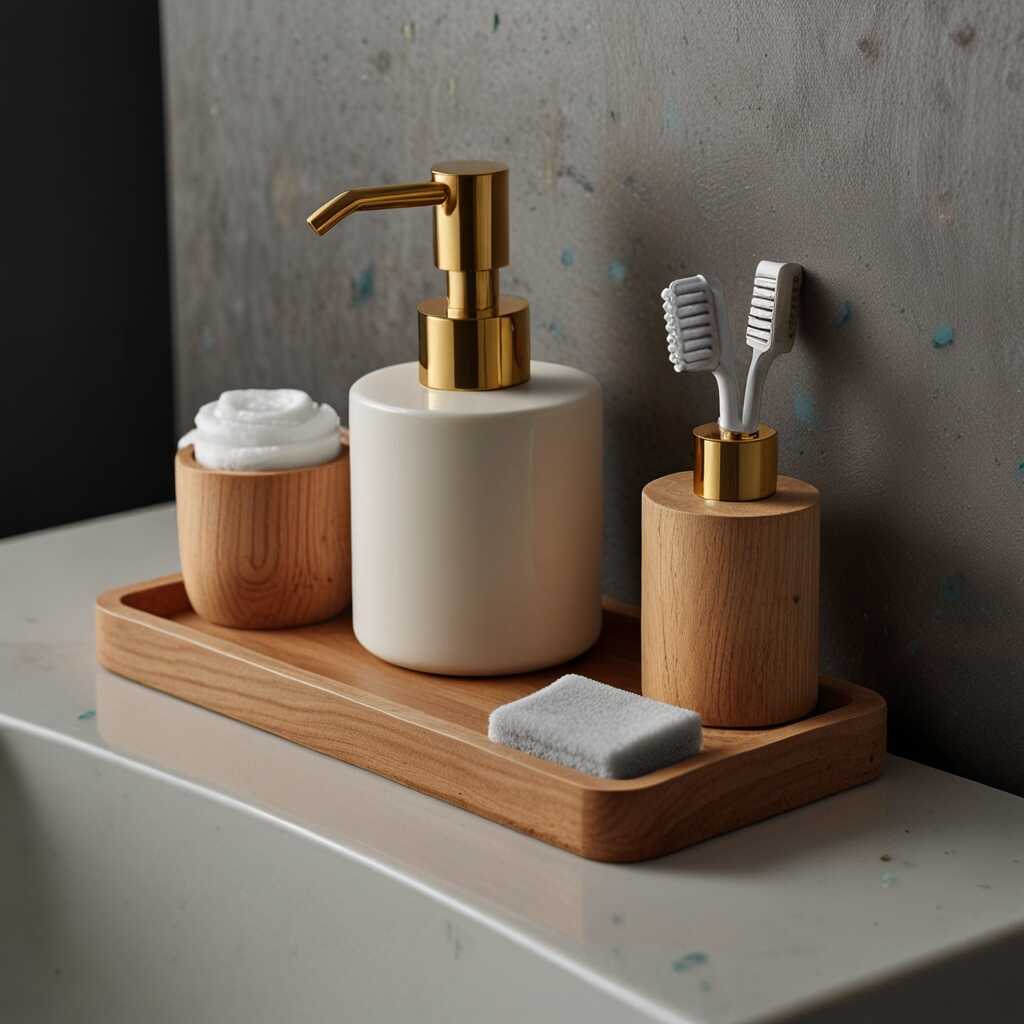
High water exposure areas in the bathroom include the shower enclosure, around the bathtub, and beside the sink. Accessories like soap dishes, towel bars, and storage solutions should be strategically placed to minimize water contact. Towel bars should be positioned between 48 to 52 inches above the floor. This height ensures towels stay dry and accessible while reducing water droplets on counters. Proper placement of these essential bathroom accessories enhances organization and prevents potential water damage.
Optimal Placement for Accessories in Water-Prone Areas
Optimal placement for accessories in water-prone areas focuses on minimizing water exposure while maintaining accessibility. Install soap dispensers within easy reach of sinks and showerheads to avoid water splashes near countertops. Use wall-mounted towel bars at recommended heights to keep towels dry and off the floor. Consider utilizing shower caddies for shampoo and conditioner, ensuring they are placed out of direct water spray. Additional accessories like waterproof storage bins can also be placed underneath sinks to protect items from moisture, improving overall efficiency and ensuring a comfortable bathroom experience.
Optimizing Space in Small Bathrooms
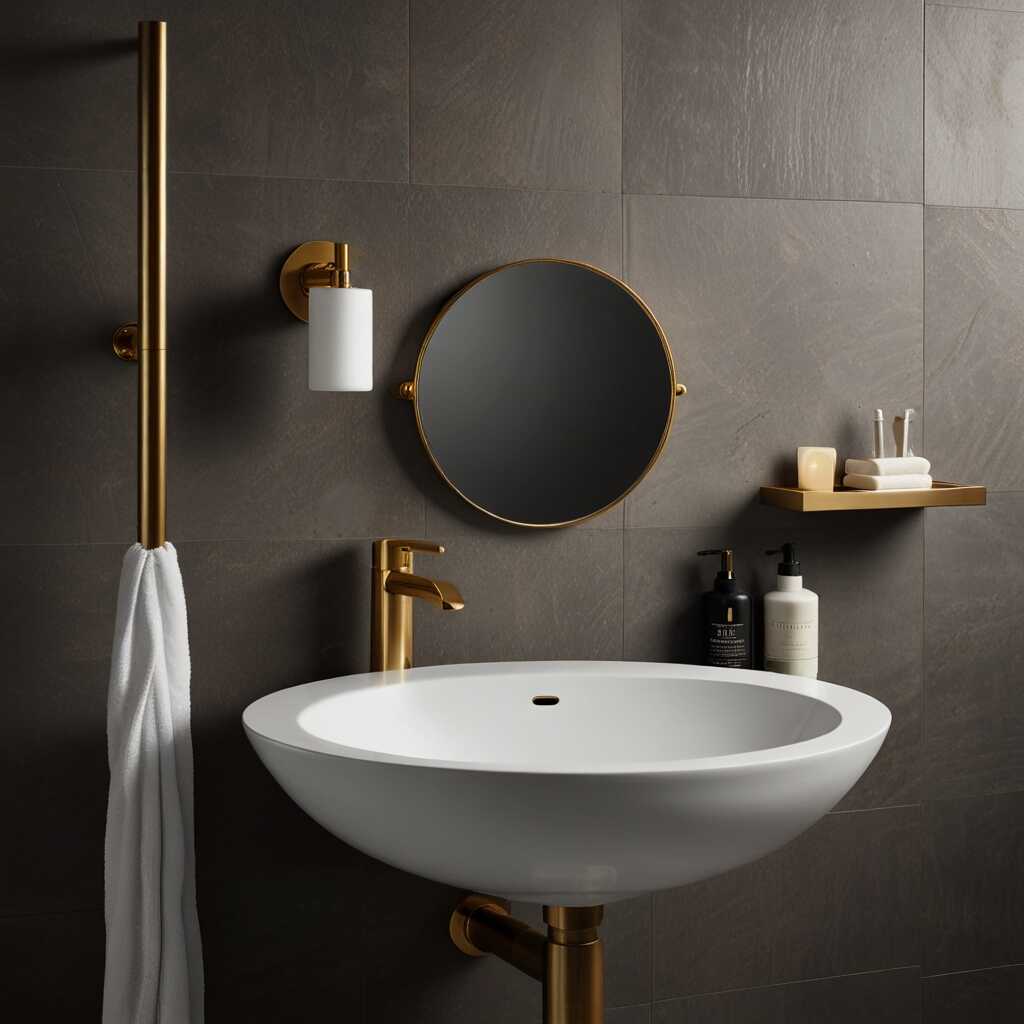
Utilizing vertical space in small bathrooms can greatly enhance functionality. Install shelves above the toilet or sink for towels and toiletries. Choosing wall-mounted accessories keeps counters clear. Compact storage options such as bins can reduce clutter and maximize functionality. When selecting functional bathroom accessories, consider high-quality and durable materials that match your decor. Mount towel bars at a height of 48 inches from the floor to ensure effortless access. This setup helps everyone, including children and adults.
Maximizing Vertical Space for Bathroom Accessories
Maximizing vertical space involves installing floating shelves or using over-the-door organizers. These solutions free up valuable counter space while enhancing efficiency. Choose durable organizers designed for wet environments to ensure longevity. Smart mirrors with built-in storage provide an excellent combination of style and functionality. For a cohesive look, select accessories in a similar finish or color. This approach creates a seamless design in your small bathroom, making it both functional and visually appealing.
Advantages of Thoughtful Bathroom Accessory Arrangement
- Enhances overall safety for family members using the bathroom.
- Reduces water droplets on surfaces, minimizing mold risk.
- Maximizes available space for a more organized feel.
- Improves aesthetic appeal, making bathrooms appear larger.
- Increases functionality by keeping essentials within reach.
- Makes cleaning easier by reducing clutter and mess.
- Promotes efficient water usage, leading to cost savings.
Choosing Materials That Resist Water Damage
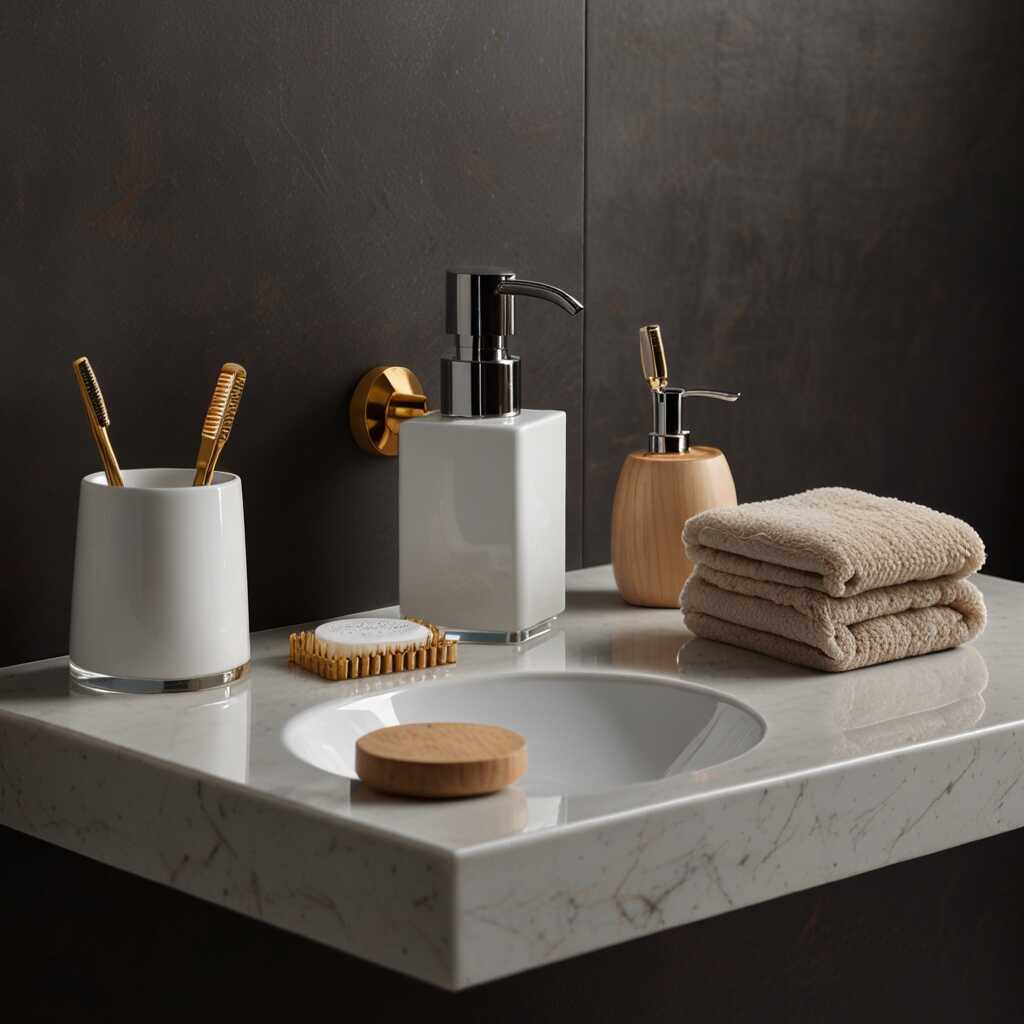
Selecting water-resistant materials for bathroom accessories is essential for durability and ease of maintenance. The best options include stainless steel, which resists rust; ceramic, known for its low absorbency; and certain plastics designed for heavy moisture. These materials enhance the performance of bathroom accessories by providing lasting reliability. When considering these materials, focus on their maintenance needs and long-term performance in wet environments. Stainless steel can last for years with minimal upkeep, while ceramics are easy to clean and maintain their appearance over time.
Long-lasting Materials for Bathroom Accessories
Choosing durable bathroom fixtures made from reliable materials ensures they withstand moisture and humidity. Stainless steel delivers impressive corrosion resistance, making it a great choice for towel bars and hooks. Ceramic bathroom accessories like soap dishes are not only aesthetically pleasing but also resistant to mold and mildew. Research shows that high-quality plastic items can last five to ten years in wet conditions. When upgrading your bathroom, opt for accessories that combine functionality with style, ensuring they meet the demands of everyday use while maintaining their appearance over time.
Ensuring Style Meets Functionality in Accessory Placement
To blend style and functionality in bathroom accessory placement, focus on thoughtful arrangement of each item. Begin by keeping frequently used items, like towel bars or soap dispensers, within easy reach. Select accessories that match your bathroom’s design and color scheme to enhance aesthetics while ensuring practical use. For example, a ceramic soap dish can provide utility and visual appeal. Using smart placement strategies helps create a space that is both beautiful and functional, which is essential for any bathroom.
Best Practices for Accessory Arrangement in Bathrooms
The best practices for arranging bathroom accessories focus on enhancing user efficiency and aesthetic satisfaction. Position towel bars between 48-52 inches from the floor for easy access. Place decorative items, like candles or plants, on countertops but ensure they don’t obstruct functionality. Choosing multifunctional accessories, such as a combination towel warmer and storage unit, both saves space and adds style. By prioritizing these functional design solutions, you create a beautiful bathroom that delivers an impressive user experience, focusing on both utility and style.
Types of Users Seeking Smart Bathroom Solutions
- Homeowners remodeling their spaces focus on water damage prevention.
- Interior designers require adaptable solutions for various styles.
- DIY enthusiasts enjoy experimenting with bathroom layouts.
- Parents prioritize safe setups to protect children from slips.
- Individuals researching accessories appreciate eco-friendly options.
- Small apartment dwellers need innovative solutions for tight spaces.
- Luxury seekers desire stylish accessories without sacrificing function.
Effective Maintenance for Preventing Water Damage
Effective maintenance for preventing water damage involves regular cleaning and treatment of surfaces. Use a soft cloth to wipe down countertops after each use. This simple action prevents excess water from building up. Make sure to dry off any accessories, like soap dishes or toothbrush holders, which can hold moisture. Use water-resistant coatings on wooden surfaces and ensure that silicone seals around sinks and tubs are intact. This helps enhance the durability of your bathroom accessories.
Identifying Vulnerable Accessories for Water Damage
Some bathroom accessories are more susceptible to water damage than others. Items made of wood or those that are not water-resistant, like certain soap dispensers, can be damaged by constant exposure to water. Accessories such as wall-mounted towel bars may rust if not made from corrosion-resistant materials. Keeping these items in well-ventilated areas and away from direct water flow improves their reliability. Opt for bathroom accessories crafted from stainless steel or other durable materials to enhance performance.