Properly mounting bathroom accessory holders is essential for improving their longevity and preventing water damage. Taking the time to learn proper techniques ensures that your accessories stay functional and visually appealing for years. Bathroom Accessories World offers expert guidance on the best placement strategies and material choices for bathroom fixtures. By following these practical tips, homeowners and DIY enthusiasts can enhance their bathroom’s efficiency and style.
Understanding the Importance of Proper Placement in Bathrooms
Proper placement is vital for enhancing the longevity and functionality of bathroom accessories. Accessories should be positioned at convenient heights and locations to ensure ease of use. This prevents unnecessary wear and tear caused by frequent movement or reaching. Properly mounted accessories also minimize moisture exposure, which can lead to water damage. For example, towel bars should be installed away from direct water sources like faucets or showers. By applying these placement strategies, homeowners can ensure their accessories maintain quality over time. Positioning accessories thoughtfully enhances your bathroom’s aesthetic appeal and contributes to an organized space.
Best Practices for Mounting Bathroom Accessories
Following best practices when mounting bathroom accessories significantly improves the bathroom’s functionality. Towel bars should ideally be mounted 48 to 56 inches above the floor for easy access. Soap dishes should be installed at a height of 42 to 48 inches to ensure they’re within reach while showering. Proper placement also involves choosing the right wall material for durability. Use corrosion-resistant anchors to secure fixtures properly, preventing sagging or damage over time. Following these detailed guidelines can enhance the overall efficiency of your bathroom setup and maintain the appeal of your accessories.
Common Installation Errors to Avoid for Longevity
Common mistakes include ignoring the wall type, neglecting to use a level, and not checking for studs. These errors can affect the durability of towel bars, hooks, and shelves. Not matching mounting hardware with accessory weight can lead to failure. For example, installing a heavy shower caddy on a weak wall anchor may result in damage. The bathroom’s humidity can also impact materials chosen. Understanding these factors will ensure longevity.
Understanding Wall Types and Their Impact on Mounting
Different wall types require different mounting techniques for durability. Stud walls can support heavier accessories than drywall without reinforcements. If you mount on a tile or fiberglass wall, use specific drills and anchors designed for those materials. This careful selection enhances reliability and efficiency. Always consult the installation guide to ensure the screws or anchors can handle the weight of the accessories, providing a secure and lasting hold.
Identifying Ideal Locations for Maximum Durability
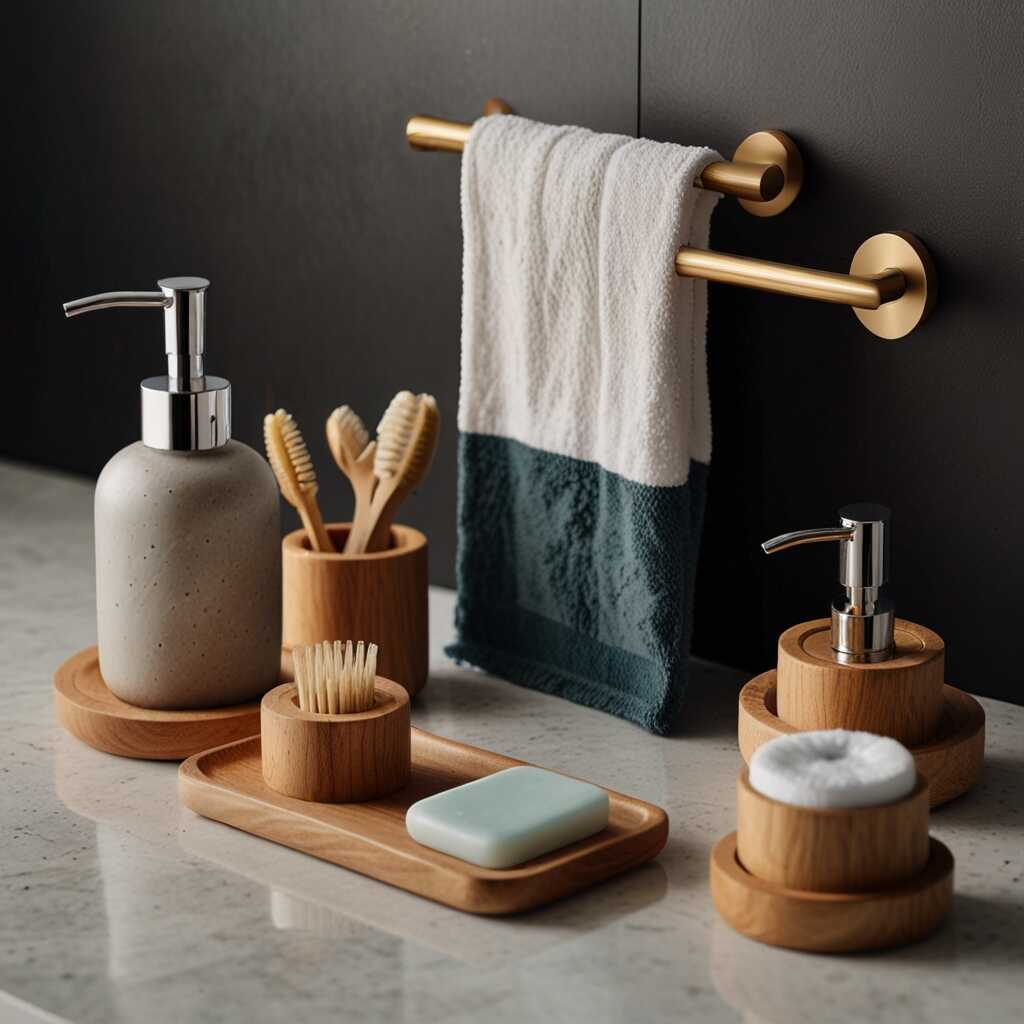
To enhance the longevity and durability of bathroom accessory holders, select locations that minimize water exposure. Accessories should be mounted away from direct contact with water sources like sinks, showers, and tubs. Optimal accessory placement includes areas on walls that are at least three to four feet away from high-water areas. Utilizing waterproof mounting materials and products can further protect against water damage. Consider the airflow in your bathroom as well. Good ventilation helps keep moisture levels low and increases the effectiveness of all accessories.
Effective Strategies for Accessory Placement
Effective strategies for minimizing water exposure include utilizing corner spaces for towel bars, and choosing walls that don’t face fixtures directly. For example, installing a towel rack on the opposite wall of the shower effectively prevents drips from reaching it. Additionally, consider using wall-mounted storage solutions that keep accessories elevated and protected from splashes. A well-designed placement strategy not only enhances the efficiency of bathroom fixtures but also adds to the overall aesthetic appeal of the space.
Key Data Points for Effective Installation
- 70% of bathroom damage comes from improper accessory placement.
- Water can cause deterioration within 6 months if not secured.
- Mount accessories at least 12 inches above the floor.
- Use corrosion-resistant materials to minimize risks.
- Spend around 10-15 minutes measuring for precise placement.
- Choose a wall support that can hold up to 25 pounds.
- Consider moisture levels; bathrooms typically have 50-60% humidity.
Durable Materials That Resist Water Damage
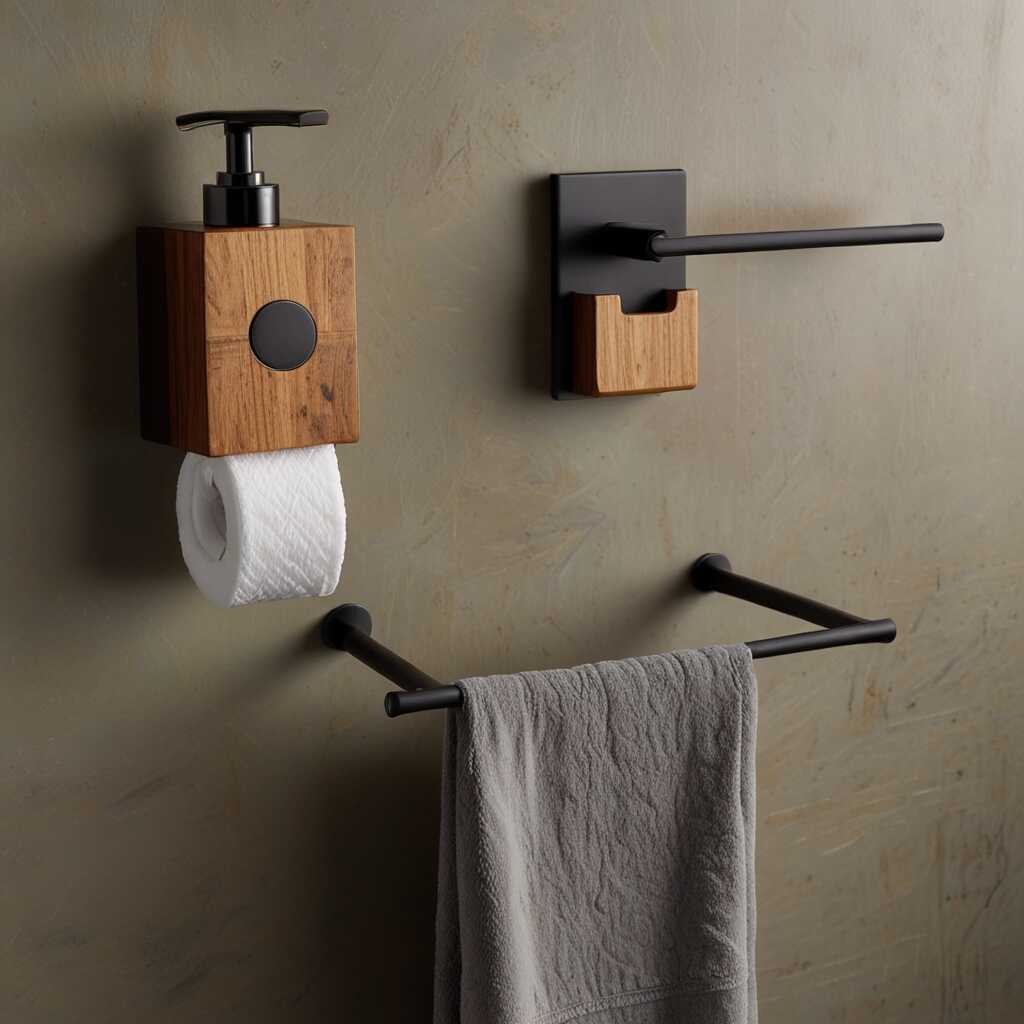
Some of the best materials for resisting moisture in bathroom accessories include stainless steel, brass, and ceramic. Stainless steel features corrosion resistance and durability, making it an excellent choice for towel bars and rings. Brass also resists rust and oxidation, ensuring longevity in high-humidity areas. Ceramic, with its impermeable glaze, offers a stylish and durable option for soap dishes and organizers. Selecting durable bathroom accessories made from these materials enhances reliability and prolongs fixture life, ultimately improving your bathroom’s efficiency and aesthetics.
Understanding the Benefits of Corrosion-Resistant Options
Corrosion-resistant options enhance the longevity of bathroom fixtures by providing excellent performance in humid environments. Materials like stainless steel and brass are designed to withstand moisture, preventing rust over time. High-quality finishes on these materials can handle exposure to water, enhancing overall appearance while resisting wear. Substantial research has shown that fixtures made from corrosion-resistant materials consistently last longer than those made from cheaper alternatives. By choosing these proven options, homeowners can enjoy beautiful and functional spaces without frequently replacing worn-out accessories.

Ensuring Secure Attachment of Bathroom Fixtures
To ensure reliable attachment of bathroom accessories, select strong materials like stainless steel or brass for mounting brackets. These materials provide the durability needed for heavy items like towel bars. Use appropriate screws designed for the material of your wall to enhance stability. Popular techniques include using anchors for drywall and checking for studs for the best support. Homeowners and designers can enhance longevity by securely installing accessories according to provided guidelines and specifications. This approach reduces the need for future replacements.
Choosing the Right Anchors and Screws for Installation
Choosing the right anchors and screws is essential for enhancing the mounting efficiency and reliability of bathroom fixtures. For drywall, toggle bolts or molly bolts work great because they distribute weight evenly. If your wall has studs, using wood screws directly into the studs ensures the maximum strength and durability of your installation. Typically, for mounting a towel bar, using at least two screws is recommended for sturdy support. Assess the weight capacity of anchors and screws to ensure they can handle the load. This careful selection will significantly improve the performance and lifespan of your bathroom accessories.
Advantages of Thoughtful Accessory Placement
- Allows easier access to everyday items, improving convenience.
- Reduces the risk of water damage, promoting longevity of accessories.
- Enhances the overall aesthetics of your bathroom.
- Improves efficiency by keeping items in logical spots.
- Facilitates cleaning, ensuring a tidy and organized space.
- Boosts the overall value of the property with better design.
- Encourages better usage of space, especially in smaller bathrooms.
Regular Maintenance Tips for Bathroom Accessories
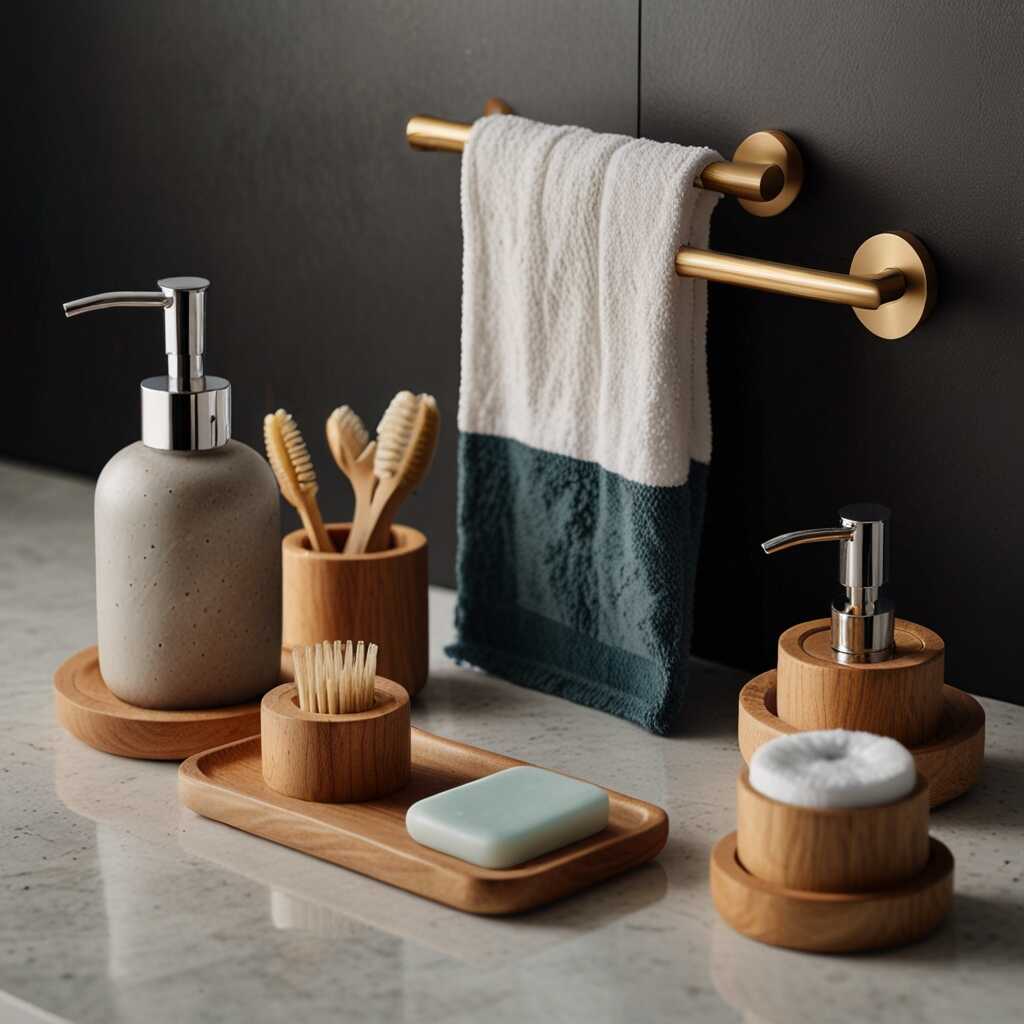
Maintaining bathroom accessories significantly enhances their longevity and aesthetic appeal. Regular cleaning helps prevent water damage and grime buildup. Use gentle, non-abrasive cleaners suitable for the material of each accessory. For stainless steel towel bars, a microfiber cloth and vinegar-based cleaner are advisable. This cleaning regimen provides excellent results, preventing rust and discoloration. Dry each accessory after cleaning to ensure it remains reliable and visually appealing. Testing various cleaners on small areas beforehand helps identify the best product for your accessories.
Material-Specific Care Guidelines for Longevity
Different materials require tailored care to maintain their durability. Brass accessories benefit from occasional polishing with a specialized brass cleaner. This enhances their shine and prevents tarnishing. Ceramic items can be washed with mild soap and water, followed by thorough drying to avoid water spots. Regular assessments help identify any wear, allowing timely actions to preserve functionality. Understanding your bathroom accessories’ materials enables you to adopt effective maintenance procedures that keep them looking great and performing well for years.
Selecting Accessories to Complement Your Bathroom Design
Homeowners should focus on aesthetics and functionality when selecting bathroom accessories. Choose colors that complement the existing bathroom paint or tile. Accessories such as towel bars, soap dispensers, and mirrors should match the overall bathroom decor theme, whether it’s modern, traditional, or minimalist. Different materials, such as stainless steel, brass, or ceramic, play a crucial role in enhancing durability and visual appeal. Accessories that reflect personal style can elevate your bathroom’s look while offering essential functionality. Aim for a balanced number of accessories that provide convenience without overwhelming the space.
Key Considerations for Material Selection
Choosing the right materials for bathroom accessories is vital for achieving quality and longevity. Stainless steel provides a modern look and excellent resistance to rust and corrosion. Brass offers a classic feel and develops a beautiful patina over time, enhancing aesthetic appeal. Ceramic accessories are durable and easy to clean, fitting well with various styles. Mixing materials can create an interesting contrast that adds depth to the bathroom decor. For a reliable combination, consider using ceramic soap dishes with stainless steel towel bars. This blend promotes efficiency and elegance in your design.
Brands and User Profiles for Bathroom Installation
- Bathroom Accessories World offers innovative solutions that blend functionality and style.
- Delta faucets provide a range of designs but can be pricey for some homeowners.
- Moen focuses on durability, ideal for families with heavy bathroom usage.
- Clients looking for luxury designs often favor Kohler products.
- DIY enthusiasts prefer brands with easy installation instructions.
- Property managers value affordable solutions that ensure longevity.
- Interior designers seek products that match aesthetic trends and enhance overall appeal.
Impact of Lighting on Bathroom Accessory Functionality
Lighting significantly affects the visibility of bathroom accessories. Bright, well-placed lighting enhances the functionality of items like towel bars and mirrors. For example, using ambient lighting combined with task lighting directly above mirrors provides excellent visibility. This combination ensures that users can effectively see themselves while grooming. Properly planned lighting enhances both usability and adds to the overall atmosphere of your bathroom. Incorporating layered lighting options also helps create a comfortable and inviting environment.
Optimal Lighting Techniques for Functional Accessories
The best ways to optimize lighting for bathroom accessories include installing fixtures at recommended heights and using various bulb types. Mount lights about 66 inches above the floor for optimal visibility. This height allows sufficient illumination without casting unflattering shadows. Consider using LED lights for their energy efficiency and long lifespan. Fixtures should focus on specific areas to enhance usability. For instance, install lights on either side of mirrors to minimize glare and maximize visual clarity. This reliable setup can greatly enhance the functionality and aesthetics of bathroom accessories.