
Patient lift warranties typically span a range of 1 to 5 years, with the most common reason for a refused claim being evidence of improper use or overloading. You need a lift with a warranty that specifically covers the motor and structural frame if you plan to use the device daily for frequent transfers. Determine the weight of the heaviest person who will use the lift and compare it against the manufacturer’s stated safe working load to ensure the hardware is rated for your specific requirements.
What does a patient lift warranty normally cover?
A patient lift warranty normally covers manufacturing defects in the primary mechanical and electrical components of the device. These protections generally apply to the internal motor, the lift arm, and the structural frame of the mobile hoist. If a component fails due to a material flaw or a factory assembly error, the warranty typically dictates a repair or a replacement of that specific part.
Manufacturer warranties cover motor defects but exclude wear and overload
The coverage for these items is similar to a car’s powertrain warranty; it ensures the “engine” of the lift works, but does not cover the “tires” or the “paint” if they wear out from use. If a motor fails because of a factory defect, the manufacturer covers the cost of the replacement unit. If the motor fails because it was forced to lift a weight beyond its capacity, the warranty usually provides no coverage.
Standard coverage for the mobile hoist usually includes:
If you need a chair that leans back, see the best reclining bath lift chair options.
- The electric motor and internal gear assembly
- The main structural frame and lifting arm
- The electronic control box and internal wiring
- The emergency stop button and primary power switch
Most manufacturer warranties explicitly exclude the following from coverage:
- Consumable parts like sling attachments or spreader bars
- Damage caused by liquid ingress or spills on the electronics
- Wear and tear on the wheels or casters over time
- Damage from unauthorized modifications or third-party repairs
- Failure caused by exceeding the rated weight capacity
Examples from this category, each with its own review here
3 options shown here, $279.99 to $644, each with its own full review behind its name.


How does the purchase source affect the warranty?
How the purchase source affects the warranty depends on who holds the legal contract for the sale and the subsequent service agreement. A direct purchase from the manufacturer usually provides the most straightforward path to a claim, as the manufacturer handles the fulfillment of the warranty directly. This removes the middleman and ensures the claim is processed according to the original factory terms.
How buying from an authorised retailer affects the claim process
Buying from an authorised retailer typically means the retailer acts as the first point of contact for a claim. The retailer receives the faulty unit, assesses the issue, and then coordinates with the manufacturer for a repair or replacement. This process can add time to the resolution, as the retailer may have their own internal intake and shipping procedures to follow before the manufacturer sees the claim.
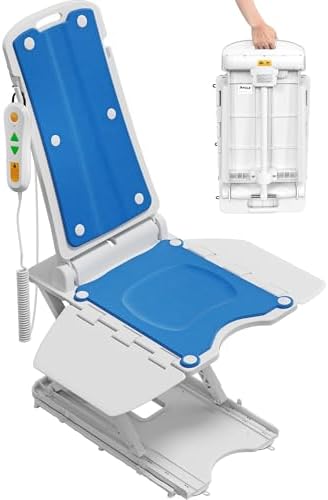
You can see the technical specifications in our full VOCIC Bath Lift Chair review.
Marketplace sellers may offer limited returns instead of full warranties
A marketplace seller, such as those found on large e-commerce platforms, often complicates the warranty process. These sellers may not be authorised to provide technical support or parts, and they may only offer a limited return window rather than a full manufacturer warranty. If a marketplace seller does not provide a clear warranty statement at the time of sale, you may find yourself without a path for repair once the initial return period ends.
Refurbished sellers provide short term warranties instead of manufacturer coverage
Purchasing from a refurbished or open-box seller introduces a different set of rules where the original manufacturer warranty may be void or non-existent. These sellers often provide their own limited warranty, which typically covers only the functionality of the device for a short period, such as 30 to 90 days. If the device fails after this period, there is often no further recourse unless the seller specifically states otherwise in their unique terms.
Grey market imports may lack local warranty and repair options
An importer or grey-market seller provides a device that was not intended for sale in your specific region. These units may lack a local warranty, meaning a failure would require shipping the unit back to the country of origin for repair. This can result in significant shipping costs and long delays that may exceed the cost of a new device. Always confirm if the seller provides a local, transferable warranty before purchasing a grey-market mobile hoist.
What actions void a patient lift warranty?
Actions that void a patient lift warranty include any form of physical misuse that compromises the integrity of the lift’s safety systems. The most frequent cause of voided claims is overloading the device beyond its rated safe working load. If the internal sensors or the mechanical frame show signs of stress from exceeding the weight limit, the manufacturer will typically deny the claim.
For a detailed analysis of that model, see our full JC35M3 Chair Lift review.
Modifying lift hardware or software voids the manufacturer warranty
Modifying the lift’s hardware or software also voids the coverage. This includes swapping out the motor for a different model, altering the frame, or attempting to bypass the safety limit switches. Because these safety features are engineered to prevent falls, any tampering is viewed as a high-risk liability by the manufacturer.
Poor maintenance and improper environments can cause warranty denial
Environmental factors and lack of maintenance are additional reasons for claim denial. If a lift is stored in a damp environment and the electronics show signs of corrosion, or if the wheels are seized due to a lack of lubrication, the manufacturer may rule this as a maintenance failure. Furthermore, using the lift on surfaces it was not designed for, such as uneven outdoor terrain, can cause frame stress that voids the warranty.
If a buyer chooses to ignore these limits, they risk losing the entire value of the device if a major component fails. A denied claim for a motor replacement can cost hundreds of dollars in out-of-pocket repair fees for a device that was supposed to be covered.
What should you do before buying to ensure a claim works?
To ensure a future claim works, you should document the condition of the lift and the specific terms of the warranty at the moment of purchase. Many buyers fail to keep the original paperwork, which is often the first thing a manufacturer requests to verify the purchase date and serial number. Having a digital copy of the warranty document and the original sales receipt ensures you can initiate a claim quickly if a fault occurs.
We provide a comprehensive breakdown in our full SuperHandy Portable Lift review.
Follow these steps before completing the purchase to protect your investment:
- Request a written copy of the warranty terms and highlight the specific “covered parts” list.
- Record the serial number of the lift and take a photo of the unit’s condition upon delivery.
- Confirm the specific weight capacity of the unit and ensure it matches your requirements.
- Verify who handles the shipping costs for warranty repairs (the manufacturer or the buyer).
- Ask the seller to clarify the difference between a “limited warranty” and a “full manufacturer warranty.”
- Save the original packaging if possible, as some manufacturers require the original box for return shipping.
When is an extended warranty worth it?
An extended warranty is worth it for a patient lift if you intend to use the device in a high-frequency environment, such as a professional care facility or a home where multiple people require daily transfers. In these scenarios, the high number of cycles on the motor and the constant movement of the frame increase the likelihood of mechanical wear over a 3 to 5-year period. If the cost of a new motor or a full frame replacement is high, a low-cost extended warranty can provide significant peace of mind.
Why extended warranties may be unnecessary for infrequent lift use
An extended warranty is not worth it if the device is intended for infrequent use or if the manufacturer already provides a 5-year warranty on the core components. If you only plan to use the lift a few times a year, the probability of a mechanical failure occurring outside of the standard warranty period is low. In these cases, the cost of an extended plan is better spent on high-quality accessories, such as heavy-duty slings or specialized attachments, which are often not covered by the standard warranty.
The other mobile hoist guides we have published
- Choosing the Best Portable Floor and Bath Lift for Home Care
- The Reclining Bath Lift Chairs That Work Best for Seniors
- Which Electric Patient Lift Is Best for Home Use?
- Best Waterproof Shower Chairs for Bathtubs
- Lightweight Patient Lifts for Easy Mobility Compared
- Choosing the Best Powered Sit-to-Stand Lift for Elderly Care
Bathroom Accessories World is reader-supported: some links on this page are affiliate links, and as an Amazon Associate Bathroom Accessories World earns from qualifying purchases at no extra cost to you. Learn more.