
Seat width for electric wheelchairs is the horizontal interior measurement of the seat surface, typically ranging from 15.7 to 21 inches in the models we evaluated. You determine the correct width by measuring your hip breadth while seated to ensure you have enough room for comfort without the chair becoming difficult to maneuver in tight spaces.
If you are traveling in a vehicle, browse compact foldable electric wheelchairs for van life to find the best space-saving options.
Which Seat Width Suits Your Body Type?
| If this is you | The Seat Width that suits you | Why |
|---|---|---|
| You have a slender build or require a compact footprint for narrow doorways. | 16 to 17 inches | This smaller width allows for easier navigation in tight corridors while providing adequate hip room for smaller frames. |
| You have an average build and want a standard fit. | 18 inches | The 18-inch width is the median value among the 114 electric wheelchair listings we screened, offering a balanced fit for most users. |
| You have a wider build or require extra space for side-mounted equipment. | 19 to 20 inches | Extra width provides necessary clearance for larger hips and ensures that side-mounted accessories do not press against your body. |
| You require a maximum width for bariatric needs or heavy-duty support. | 21 inches | This represents the upper end of the common range, providing the maximum available interior space for larger users. |
Electric Wheelchairs we have reviewed in detail
3 options shown here, $399.99 to $999, each with its own full review behind its name.
For those needing to navigate off-road environments, compare the best all terrain electric wheelchair models for superior traction.
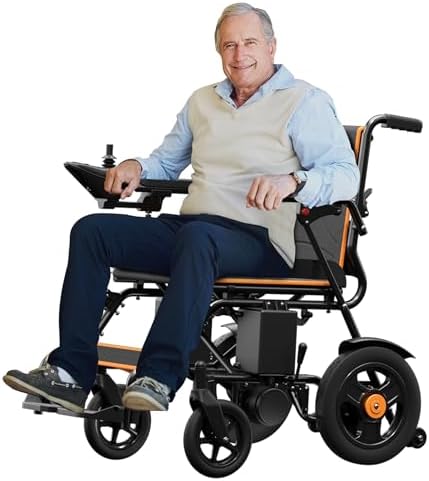


How do I measure my correct seat width for an electric wheelchair?
To establish your personal value, you must measure the distance between the widest points of your hips while sitting in a chair that feels comfortable. Sit upright with your feet flat on the floor and have someone measure the distance from the outside of one hip bone to the outside of the other. Do you need to add extra inches for padding? Most users should add 1 to 2 inches to their actual hip measurement to account for the thickness of the seat cushion and the need for a small amount of “wiggle room” on either side of the body.
Many users prefer a more mature frame, so view the best folding electric wheelchair for adults to see durable options.
Ensure you have enough power for long trips by finding the best electric wheelchair for long range capabilities.
Adding cushion thickness to hip measurements determines required seat width
Once you have your hip measurement, add the cushion thickness to find your required interior seat width. For example, if your hips measure 16 inches wide and you use a 2-inch thick cushion, you should look for a seat width of at least 18 inches. This ensures the cushion sits flat and does not compress against the armrests or the frame. If the seat is too narrow for the cushion, the material will bunch up, creating pressure points on your hips.
Budget-conscious shoppers can evaluate the best heavy duty power wheelchair under $1000 to see high-capacity models.
Identifying interior width versus overall frame width in specifications
Check the manufacturer’s specifications for the “Seat Width” or “Interior Width” figure. This number refers to the space inside the armrests, not the total width of the chair frame. Because different manufacturers use different naming conventions, look specifically for the measurement that describes the usable seating area. If a listing only provides the “Overall Width,” you must subtract the thickness of the armrests and the frame to estimate the interior space.
For those who frequently fly, see the lightweight foldable electric wheelchairs for airplane travel to meet airline requirements.
What happens if I choose the wrong seat width for my mobility wheelchair?
Choosing a seat width that is too narrow results in physical discomfort and restricted movement. When the seat width is smaller than your hip measurement plus cushion thickness, the armrests or the side of the chair frame will press against your hips. This creates “pressure points” where the chair makes contact with your body, which can lead to skin irritation or discomfort during long periods of use. You may also find it difficult to shift your weight side-to-side because your body is physically blocked by the chair’s structure.
Older users may have specific needs, so explore the best power wheelchair for seniors for comfort and ease of use.
Understanding power sources is vital, so learn about battery type for electric wheelchairs before making a purchase.
How a narrow electric wheelchair seat affects chair maneuverability
A seat that is too narrow also affects the chair’s maneuverability. If the chair is too tight for your body, you might lean to one side to find a comfortable position, which can cause the chair to turn unintentionally or become unstable. This makes navigating around furniture or in a car more difficult. The physical restriction of a narrow seat can make the chair feel like a cage rather than a mobility tool.
Selecting the right frame size requires you to understand weight capacity for electric wheelchairs to ensure safety.
Navigating narrow spaces with an oversized electric wheelchair seat
Choosing a seat width that is too wide creates a different set of practical problems. While a wider seat provides more room, it increases the total footprint of the electric wheelchair. A wider chair is harder to turn in narrow hallways or navigate through standard doorways. If the chair is significantly wider than necessary, you may find yourself frequently bumping into furniture or struggling to fit into the passenger side of a vehicle.
To determine how much torque you need, compare motor power for electric wheelchairs based on your mobility requirements.
Newcomers to the market should view the types of electric wheelchairs, explained to understand the different categories available.
Avoiding restocking fees by ensuring accurate wheelchair seat measurements
The cost of a sizing mistake is often found in the return process. Many manufacturers have strict policies regarding “user fit” issues. If a chair is returned because it is too narrow for the user’s hips, some retailers may charge a restocking fee or refuse the return entirely. It is more efficient to spend the time measuring your body accurately before the chair arrives at your home than to deal with the logistics of a chair that does not fit your frame.
Start your research by seeing how an electric wheelchair works and what its core components do.
What should I do if my measurements fall between two seat widths?
If your measurements fall between two standard sizes, such as 18 and 19 inches, you should prioritize the larger width. Choosing the larger option provides more clearance for your body and ensures that the seat cushion can sit flat without being compressed by the frame. It is much easier to have a small amount of extra space on the sides of your hips than it is to deal with a chair that is physically too tight to sit in comfortably.
Safety is paramount, so verify certifications and safety standards for electric wheelchairs before you buy.
Choosing wheelchair seat width based on indoor or outdoor use
When you are caught between two sizes, consider the environment where you will use the chair most often. If you primarily use the wheelchair indoors in a home with narrow hallways, the smaller size might be more practical for navigation. However, if the chair is primarily for outdoor use or in a large facility, the extra width of the larger size is usually the better choice for long-term comfort.
To manage your budget, research what electric wheelchairs cost and what features are included at different price points.
You can view our full Rubicon DX04 review to see how this specific foldable model performs.
How flip-up armrests allow for wider electric wheelchair seat options
Check the specific seat design of the chair you are considering. Some electric wheelchairs have “flip-up” armrests or “swing-away” components. If a chair has these features, you can sometimes choose a slightly wider seat because the armrests can be moved out of the way to allow for easier entry and exit. If the armrests are fixed and do not move, you must be more precise with your measurement to ensure you can actually get into the chair.
For specific weight and folding specs, see our full Midivente SLF30 review to see if it fits your needs.
Choosing the larger seat width to ensure comfortable daily use
When in doubt, choose the larger width. A chair that is 1 inch wider than your minimum requirement is rarely a problem for navigation, but a chair that is 1 inch too narrow can make the chair unusable. Measure your hips again while wearing the clothes you intend to wear most often while using the chair. This ensures your measurement accounts for the thickness of your clothing and the actual space your body occupies during daily use.
If you are interested in this premium model, read our full Sentire Med Deluxe review for a complete analysis.
The other battery operated wheelchair guides we have published
- Living in a Van with a Compact Foldable Electric Wheelchair
- Which Lightweight Foldable Electric Wheelchair Is Best for Travel?
- Best Power Wheelchairs for Seniors
- All Terrain Electric Wheelchairs Compared
- Choosing the Best Portable Motorized Wheelchair for Elderly Users
- The Folding Electric Wheelchairs That Work Best for Adults
Bathroom Accessories World is reader-supported: some links on this page are affiliate links, and as an Amazon Associate Bathroom Accessories World earns from qualifying purchases at no extra cost to you. Learn more.