
Weight capacity for an electric wheelchair should typically fall between 300 lbs and 400 lbs for most standard users. You should choose a model that supports at least 50 lbs more than your current weight to ensure the frame and motor operate within their intended safety margins.
Recommended Weight Capacity for Electric Wheelchairs
| Use Case | Recommended Weight Capacity | Why this number |
|---|---|---|
| Standard Adult User | 300 lbs | This is the minimum required to support a 300 lb adult user safely. |
| Heavy Duty Requirement | 400 lbs | Provides a buffer for users weighing 350 lbs to prevent motor strain. |
| Bariatric Requirements | 500 lbs+ | Necessary for users exceeding 400 lbs to ensure structural integrity. |
| Frequent Incline Use | 350 lbs | Higher torque requirements on slopes favor a lower user-to-capacity ratio. |
Electric Wheelchairs we have reviewed in detail
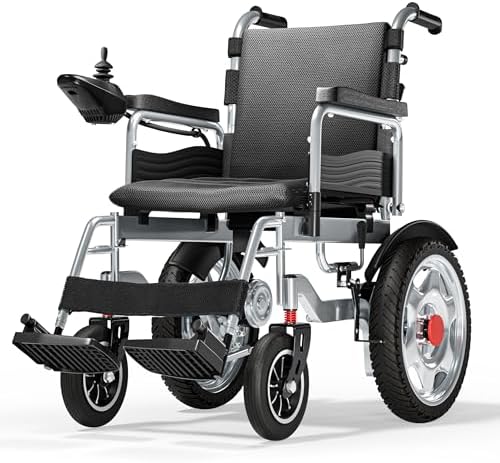
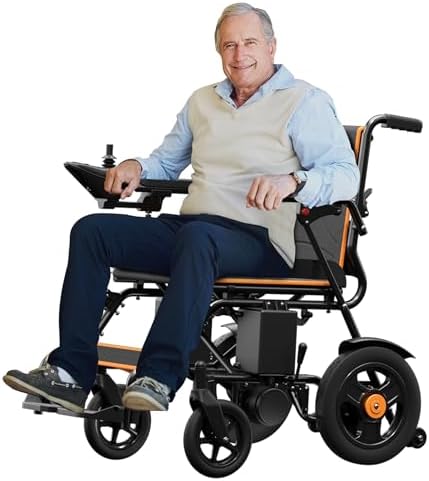
Each of the 3 shown here has its own full review on this site; they run from $379.99 to $549.
Understanding your budget is essential, so explore what electric wheelchairs cost at every price level before making a purchase.

What happens if you choose the wrong weight capacity?
Risks of selecting a low weight capacity
Selecting an electric wheelchair with a weight capacity lower than your requirements creates immediate mechanical stress on the drive system. The motor power, which measures the electrical energy output of the drive system, may struggle to move the chair, leading to frequent motor stalls on inclines. A motor stall occurs when the motor lacks the torque to move the user’s weight upward. If the frame is pushed toward its limit, users may experience frame flex or structural fatigue, which happens when a lightweight chair exceeds its rated weight limit.
Choosing the right power source is vital, so learn how to select the right battery type for electric wheelchairs here.
Low weight capacity causes battery depth-of-discharge failure and faster draining
In many cases, a chair with a low weight capacity will also suffer from battery depth-of-discharge failure. This occurs when low-quality cells degrade, preventing the chair from reaching its rated range. Because the motor must work harder to move a heavier load than it was designed for, the battery will drain significantly faster than the manufacturer’s stated travel range. Choosing a chair that is under-specced for your weight often results in a product that is physically difficult to maneuver and requires frequent charging.
To ensure a comfortable fit, see our guide on how to choose the right seat width for electric wheelchairs first.
The costs of overbuying weight capacity
Selecting a high weight capacity that far exceeds your needs often results in a heavier, less portable chair. Manufacturers often increase the thickness of the steel frame and the size of the motors to achieve a 500 lb or 600 lb rating. This added material increases the base weight of the chair, which can make it harder to transport in a vehicle or navigate through narrow doorways. If you do not need the extra capacity, you are paying for heavy-duty components that may make the chair less convenient for daily indoor use.
Protecting your investment is important, so check what electric wheelchair warranties to look for before buying.
Oversized weight limits can reduce power chair maneuverability in tight spaces
Overbuying can also impact the maneuverability of the device. A chair built for extreme weight limits may have a larger footprint or a wider turning radius to accommodate the larger motor housings. If you are a smaller user, this extra bulk can make the chair feel cumbersome in tight spaces. You lose money on unnecessary structural reinforcement that does not provide a functional benefit to your specific mobility needs.
What is the most common mistake with weight capacity?
The most common mistake buyers make is choosing a chair based on their current weight rather than their required safety buffer. Many users select a chair with a capacity that matches their current weight exactly, leaving no margin for the weight of accessories, heavy clothing, or potential weight fluctuations. This leaves the motor and frame working at their absolute limit, which accelerates wear on the drive system and reduces the overall lifespan of the chair.
Safety is a priority, so review the required certifications and safety standards for electric wheelchairs to ensure reliability.
Maintaining a wide user-to-capacity ratio ensures consistent motor torque
Instead of focusing only on the capacity number, you should optimize for the “user-to-capacity ratio.” This means ensuring there is a significant gap between your weight and the chair’s limit. For example, if you weigh 250 lbs, a chair with a 300 lb capacity is the minimum, but a 350 lb capacity provides a much safer operational buffer. This buffer ensures that the motor can provide consistent torque for climbing curbs and navigating inclines without overheating. By prioritizing a wider safety margin, you ensure the chair remains reliable for years rather than months.
To understand the different categories available, see the different types of electric wheelchairs explained in detail.
How does weight capacity interact with other specs?
The relationship between weight capacity and motor power
Weight capacity and motor power are often linked but measure different things. Motor power measures the electrical energy output of the drive system, while weight capacity measures the maximum load the frame and motor can safely support. A high weight capacity is only useful if the motor power is sufficient to move that weight. If a chair has a 500 lb capacity but a low wattage motor, it may be able to hold the weight but will struggle to move it effectively, especially on hills.
For a technical deep dive, see our full HR-DP-001 Carbon Wheelchair review to see its performance specs.
High-capacity batteries are required to maintain travel range for heavier users
In many cases, a high weight capacity is wasted because the travel range becomes the real limit. Travel range measures the distance the chair can move on a single full charge. A heavier user places a higher demand on the battery; therefore, a chair with a high weight capacity must also have a high-capacity battery to maintain a usable range. If the battery is small, the chair may only move a short distance before needing a charge, regardless of how much weight the frame can technically support.
You can view our full Foldable Motorized Wheelchair review to see how the 0005 model handles heavy use.
Weight capacity versus seat width limitations
Weight capacity also interacts with seat width, which measures the horizontal space available for the user to sit. Often, chairs designed for very high weight capacities are wider to accommodate larger users. If you are a smaller user looking for a compact chair, you might find that the only models with high weight capacities are too wide to fit through your standard doors. You must balance the need for a high weight limit with the physical dimensions of your home environment.
Detailed performance data is available in our full AIRHOT Foldable Wheelchair review for potential buyers.
Prioritizing safety requirements helps balance weight capacity and chair footprint
When two requirements conflict, such as needing a high weight capacity but a narrow frame, you must prioritize the requirement that is non-negotiable for your safety. If you require a high weight capacity for safety, you may have to accept a larger footprint. If you require a compact footprint for your home, you may need to look for a chair that maximizes its weight capacity through high-quality motor efficiency rather than just heavy-duty steel plating. We evaluated the electric wheelchair options and found that the best balance is often found in chairs that provide a 350 lb capacity while maintaining a standard width.
The rest of our battery operated wheelchair guides
- Which Lightweight Power Chair Is Best for Travel?
- Best Electric Wheelchairs for Long Range
- Heavy Duty Power Wheelchairs Under $1000 Compared
- Which Lightweight Foldable Electric Wheelchair Is Best for Airplane Travel?
- The Electric Wheelchairs That Move Around Outside
- Living in a Van with a Compact Foldable Electric Wheelchair
Bathroom Accessories World is reader-supported: some links on this page are affiliate links, and as an Amazon Associate Bathroom Accessories World earns from qualifying purchases at no extra cost to you. Learn more.