
An electric wheelchair is a mobility device that uses electric motors to propel a seat and base, allowing a user to move without manual pushing or pedaling. You need a mobility wheelchair when your physical requirements prevent you from operating a manual chair or when you require a device that can travel longer distances with less physical exertion. You should measure your required travel distance and the specific indoor floor types you navigate most frequently to determine your needs.
How electric wheelchairs provide independence by replacing manual propulsion
The primary problem this category solves is the limitation of physical strength or endurance in daily mobility. Manual wheelchairs require significant upper body strength to navigate even short distances, which can lead to user fatigue or limited independence. An electric wheelchair removes this physical barrier by replacing human power with battery-driven torque. This allows for consistent movement over longer periods and easier navigation of heavier weight loads. By automating the propulsion, the device provides a level of autonomy that allows users to manage tasks like grocery shopping or navigating large buildings without needing a companion to push the chair.
The Mechanics of Electric Wheelchair Propulsion
The operation of an electric wheelchair follows a linear sequence of energy conversion and mechanical output:
- The user provides an input signal through a handheld interface.
- The onboard controller interprets this signal and regulates the amount of electricity sent from the battery to the motors.
- Electric motors convert that electrical energy into mechanical rotation.
- The rotation of the motors turns the wheels, moving the chair forward, backward, or in a turn.
- The braking system, which can be engaged automatically or manually, manages the deceleration and holds the chair in place on inclines.
Electric Wheelchairs we have reviewed in detail
Prices across these 3 run from $488 to $699; each one has a full review here.


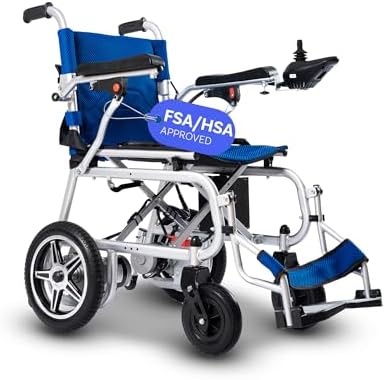
Specific components that determine electric wheelchair performance
The performance of an electric wheelchair depends on several specific components that dictate how the chair handles, moves, and fits the user.
If you are on a budget, see our comparison of heavy duty power wheelchairs under $1000.
Joystick Controller Sensitivity and Navigation
The Joystick Controller determines the input sensitivity and ease of navigation for the user. It translates the physical movement of a small lever into electrical commands for the motor. A high-sensitivity controller allows for very small, precise movements, which is useful for navigating tight indoor spaces like bathrooms or hallways. Conversely, a lower-sensitivity setting allows for larger movements of the hand to produce more movement in the chair, which can be easier for users with limited range of motion in their wrists or fingers.
Seat Width and Physical Dimensions
The Seat Width ensures the chair accommodates the user’s physical dimensions by providing the horizontal space available for the user to sit. Because the seat width is a fixed measurement, it is a primary factor in determining if a user can sit comfortably without feeling cramped or having their hips pushed too far forward. When choosing a chair, you must measure your hip width and add a small amount of clearance to ensure the seat is wide enough for your body while remaining narrow enough to fit through standard doorways.
How ground clearance helps a power chair clear obstacles
Ground Clearance dictates the ability to clear obstacles and uneven terrain by measuring the distance between the bottom of the chair frame and the floor. Higher ground clearance allows the chair to pass over door thresholds, thick carpets, or small debris without the frame getting stuck or scraping the ground. If the clearance is too low, the chair may bottom out on a transition, requiring the user to manually lift the chair or find an alternative path.
Comparing Lithium-ion and Lead-acid battery performance and weight
The choice between Lithium-ion and Lead-acid batteries determines the trade-off between weight, charge cycles, and cost. Lithium-ion batteries offer a higher energy density, which means they provide more power for their weight and can be recharged more frequently over their lifespan without significant degradation. Lead-acid batteries are generally heavier and have a shorter overall lifespan but often represent a lower initial cost for the buyer. If you prioritize a lighter chair that is easier to transport in a vehicle, Lithium-ion is the standard choice.
It is important to understand the different battery types for electric wheelchairs before making a purchase.
Pneumatic vs. Solid Tires Comparison
Pneumatic vs. Solid tires dictates the choice between off-road vibration dampening and maintenance-free use. Pneumatic tires are air-filled and provide a cushioned ride by absorbing shocks from cracks in the pavement or uneven grass. However, they require regular maintenance to maintain proper air pressure and are susceptible to punctures. Solid tires are made of durable rubber or foam and never go flat, making them ideal for indoor use or environments where maintenance is difficult, though they offer a firmer, less cushioned ride.
Practical Changes in Daily Mobility
Having an electric wheelchair changes the way you interact with your environment by removing the physical fatigue of propulsion. In a practical sense, this means you can navigate a large grocery store or a park and still have the energy to perform tasks once you reach your destination. It allows for a “point-and-go” experience where the chair handles the heavy lifting of moving your own weight. The difference is most noticeable when navigating inclines or heavy doorways where a manual chair would require a second person to assist.
When seat ergonomics matter more than motor power
The difference is less pronounced in environments where the chair is stationary or only moving very short distances. If you only need to move a few feet to reach a side table, the mechanical advantage of the motor is less relevant than the chair’s turning radius or seat comfort. In these situations, the focus shifts from the power of the motor to the ergonomics of the seat and the ease of the joystick’s layout.
Is this a good deal compared to more expensive heavy-duty models?
This category provides a good deal compared to heavy-duty models when your primary need is indoor mobility or navigating smooth, flat surfaces. Standard electric wheelchairs are designed for efficiency and maneuverability, offering a lower entry point for users who do not need to transport high weight capacities or traverse extreme outdoor terrain. If you do not require a chair to support a heavy load or navigate deep mud, a standard model provides the necessary functionality at a lower cost.
For a detailed look at the brand’s offerings, see our full review of the Zurcheel lightweight electric wheelchair.
How does the price compare to more heavy-duty power chairs?
The price of a standard electric wheelchair is lower than heavy-duty power chairs because it uses lighter frames and smaller motors. Heavy-duty models require reinforced steel frames, larger motors with higher torque, and larger batteries to handle significant weight and outdoor stress. By choosing a standard model, you avoid the cost premiums associated with these heavy-duty structural requirements while still gaining the core benefits of motorized mobility.
Who needs an electric wheelchair and who does not
You need an electric wheelchair if you have a permanent or temporary mobility impairment that prevents you from pushing a manual chair for more than a few minutes. This includes users with limited upper body strength, chronic fatigue, or conditions that make manual propulsion painful or impossible. It is also a necessary choice for those who need to travel long distances independently, such as navigating a large office building or a shopping center.
Situations where a manual wheelchair is better than a power chair
You do not need an electric wheelchair if your mobility needs are limited to very short distances and you have the strength to move yourself. For example, if you only need to move between chairs in a small living room, a lightweight manual chair or a specialized mobility aid may be more appropriate. If you do not require the ability to travel independently over distance or navigate obstacles, the added weight and cost of a motorized system may not be necessary for your specific situation.
The other battery operated wheelchair guides we have published
- Choosing the Best Portable Motorized Wheelchair for Elderly Users
- The Folding Electric Wheelchairs That Work Best for Adults
- Which Lightweight Power Chair Is Best for Travel?
- Best Electric Wheelchairs for Long Range
- Heavy Duty Power Wheelchairs Under $1000 Compared
- Which Lightweight Foldable Electric Wheelchair Is Best for Airplane Travel?
Bathroom Accessories World is reader-supported: some links on this page are affiliate links, and as an Amazon Associate Bathroom Accessories World earns from qualifying purchases at no extra cost to you. Learn more.