Bathroom Accessories World is reader-supported: some links on this page are affiliate links, and as an Amazon Associate Bathroom Accessories World earns from qualifying purchases at no extra cost to you. Learn more.
The bathroom plays a vital role in the home, often seen as a sanctuary-like space. For those eager to spruce up their bathroom with a sleek yet functional vanity, the Modway EEI-4342’s MDF and particleboard frame emerges as a top contender in 2024. In bathroom vanities, this durable product is popular for its sturdy construction and cost-effectiveness. MDF, known as Medium Density Fiberboard, proves to be an excellent choice for individuals who seek quality and affordability in bathroom fixtures. Coupled with particleboard, it offers a winning combination that’s hard to beat. Together, these materials ensure longevity and provide a modern aesthetic that can handle daily wear and tear with ease. This is especially crucial in bathrooms where humidity and moisture levels are notoriously high. The easy maintenance and fast installation of the Modway EEI-4342 vanity make it appealing for DIY bathroom decoration enthusiasts. This article dives deep into MDF, offering both useful insights and practical tips for those considering incorporating it into their bathroom space. Proven strategies and carefully selected materials deliver performance in any setting. Bathroom Accessories World undertook a comprehensive examination of Modway Render 48" EEI-4342-WAL.
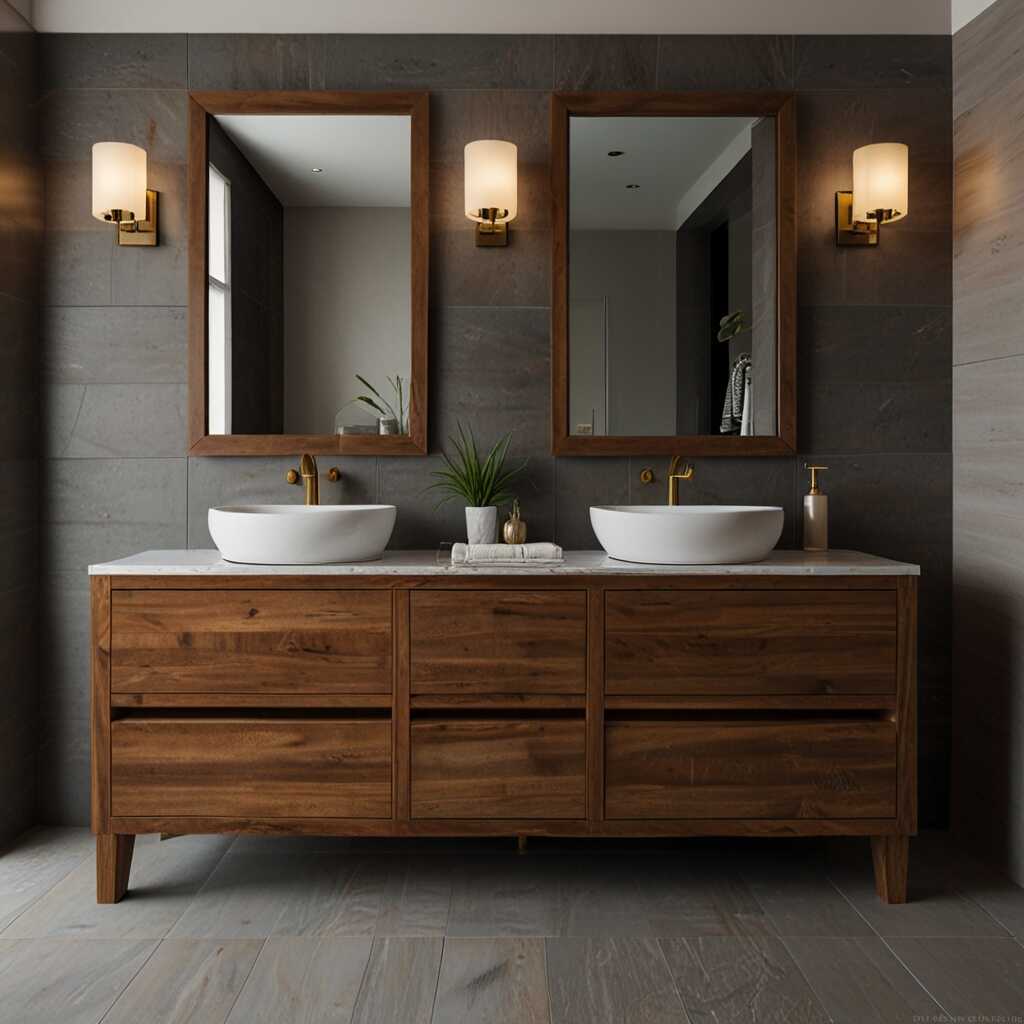
Strategies for Longevity: MDF and Particleboard Frame Benefits
The pros and cons of using MDF in furniture construction are significant. MDF offers an impressive, smooth finish and can easily be painted, but it can swell with moisture. Particleboard’s durability compares differently to traditional wood, with data showing particleboard as more cost-effective but less moisture-resistant than hardwood. MDF is suitable for constructing long-lasting furniture frames due to its dense composition, and tests prove its ability to withstand significant wear and tear. To enhance the lifespan of MDF frames, maintenance practices such as regular sealing and using moisture-resistant coatings are effective. The cost-effectiveness of MDF and particleboard affects its popularity among consumers, offering a budget-friendly option with quality features, leading to its widespread use in bathroom vanities.
What are the potential environmental impacts of using MDF?
MDF furniture is considered environmentally friendly due to its use of recycled wood fibers, but concerns persist about formaldehyde emissions. Sustainable practices in MDF production include sourcing wood from responsibly managed forests, reducing the ecological footprint of these products. MDF disposal affects environmental sustainability as some materials are not biodegradable, with only specific recycling programs accepting MDF waste. There are recyclable components in MDF products, such as wood fibers, which account for about 68% of its composition. A high percentage, approximately 70% to 80%, of MDF is made from recycled wood fibers, which helps increase its sustainable appeal in the market. The Modway Render 48" EEI-4342-WAL features durable construction, tested for longevity.
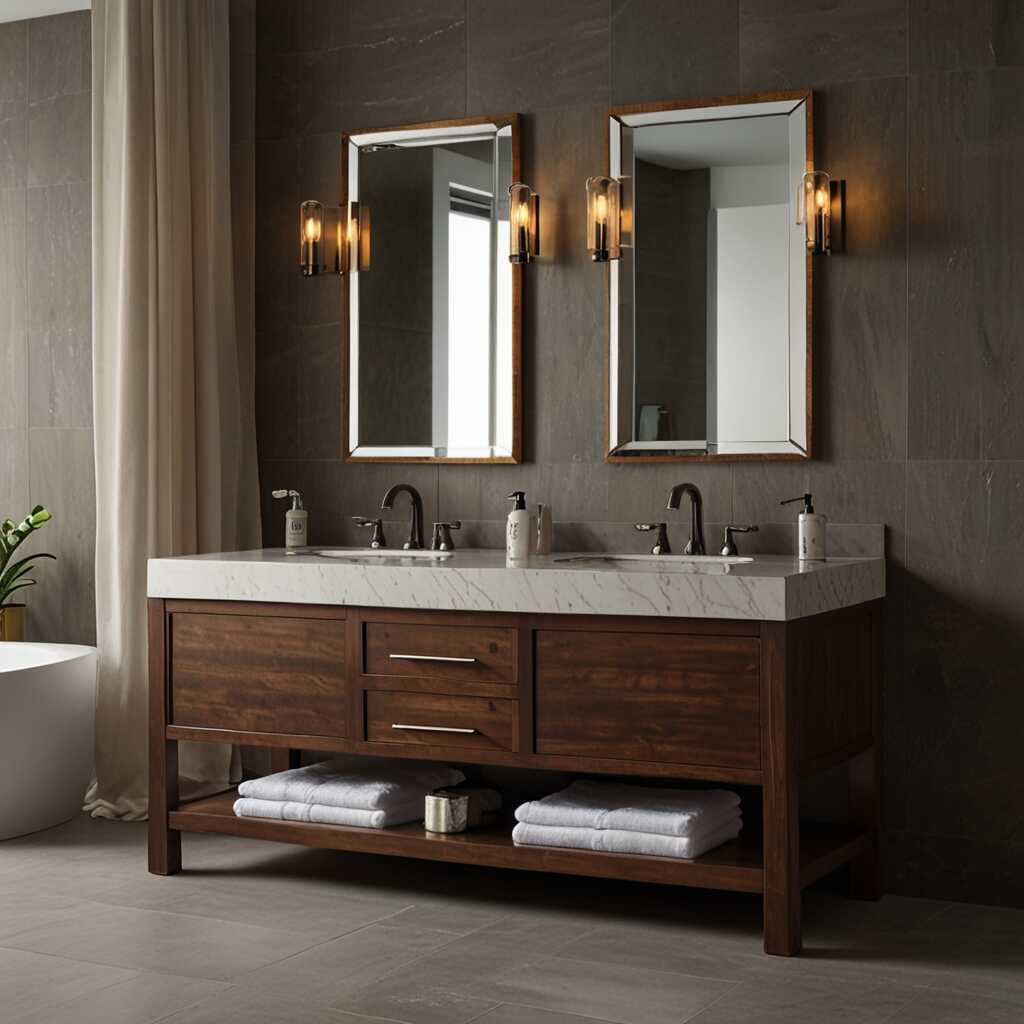
Construction Techniques to Enhance Durability of MDF Frames
Construction techniques recommended for strengthening MDF frames include using dovetail joints and reinforced corners, which provide extra stability. The design of joints affects the durability of particleboard furniture significantly; smooth, interlocking joints offer more strength and less separation under stress. Adhesives that improve the strength of MDF assemblies are mainly urea-formaldehyde resins, which have been proven through tests to deliver excellent binding capabilities. Moisture resistance plays a role in the longevity of MDF furniture by preventing water absorption that could degrade material quality. Surface finishing, such as veneer or laminate coatings, contributes to the durability of MDF and particleboard frames by offering additional protection against scratches and dents.
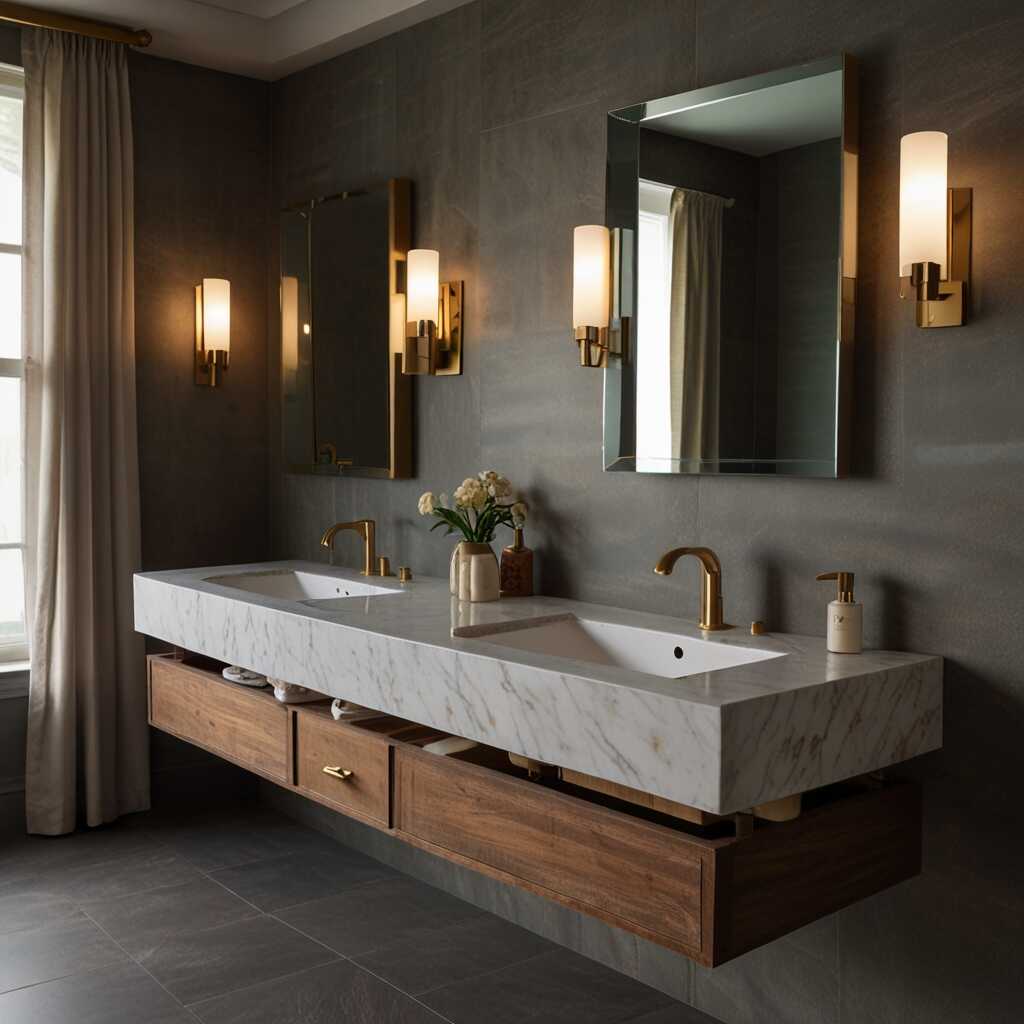
How can coating materials extend the life of MDF furniture?
Types of coatings effective for MDF protection include polyurethane and acrylic, which seal surfaces and provide a hard-wearing layer. UV coating offers protection for MDF surfaces from damage by blocking harmful rays and maintaining the material’s appearance over time. Coatings help prevent humidity-related swelling in MDF furniture by creating a waterproof barrier, essential in bathroom environments where moisture levels are high. Water-resistant coatings are viable options for MDF frames, enhancing their durability by preventing water from penetrating the material and preserving its integrity. Protective coatings on MDF can extend its average lifespan by up to 50%, proving useful for DIY enthusiasts aiming for long-term solutions in bathroom decor.