The Eclife BT-01 makes saving water effortless in bathroom vanities with its 1.5 GPM aerator. This device is a top choice for DIY bathroom decoration fans looking to combine eco-friendliness with style. Offering a simple installation process, the Eclife BT-01 helps in significantly reducing bathroom water consumption by controlling flow efficiently. It ensures water savings without compromising on performance, making it an excellent addition to any bathroom vanity setup. This aerator not only cuts down water usage but also potentially lowers utility bills, all the while adding a sleek touch to modern bathroom vanities. A complete performance evaluation was done on eclife 24" Modern BT-01 by Bathroom Accessories World .
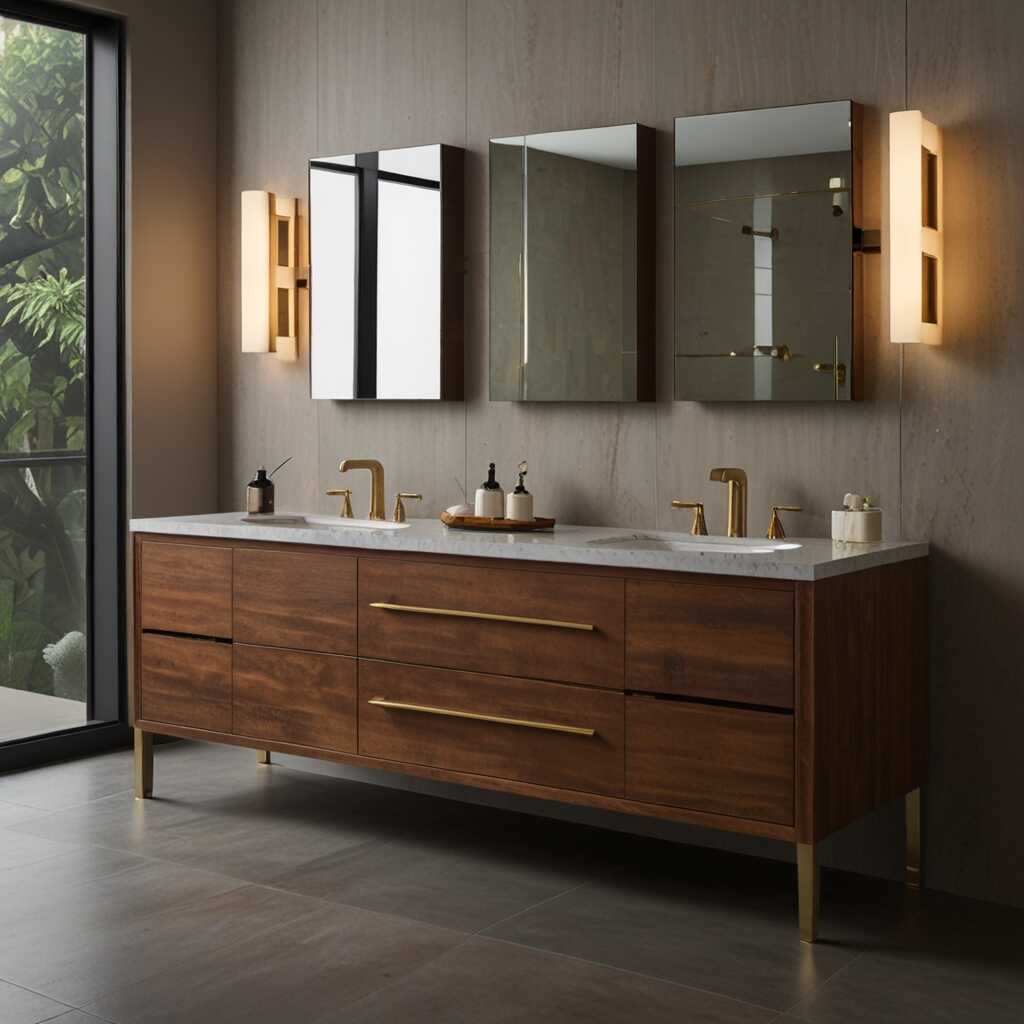
Unveiling the Benefits of Water Flow Control Devices
The 1.5 GPM aerator significantly reduces water usage by restricting the flow rate, which in turn conserves water effectively across bathroom vanities. Water-saving aerators are typically made of sturdy materials like chrome, brass, and ABS plastic, ensuring durability and performance. While some users worry about reduced water pressure, a well-designed aerator maintains pressure by aerating the water, providing a satisfying wash experience. Compatibility concerns with different faucet types are minimal as the best aerators include multiple adapters and are designed to fit various fixtures. Regular maintenance, such as cleaning the aerator screens every few months, is recommended to ensure optimal water flow performance and prevent clogging.
What are the specific benefits of using low-flow faucets?
Utilizing low-flow faucets in bathroom vanities can save about 7,000 gallons of water annually per faucet, making them extremely effective in conservation efforts. Cost differences are significant as low-flow faucets generally lead to lower utility bills compared to standard faucets due to reduced water and energy use. From an environmental perspective, water flow control devices decrease water waste significantly, helping conserve natural resources and reduce carbon footprints. Water-saving faucets do not compromise on user experience as most feature advanced aerators that ensure a comfortable and efficient water flow. These efficient devices typically restrict flow to approximately 1.5 to 2.5 gallons per minute, aligning perfectly with water conservation goals. The eclife 24" Modern BT-01 delivers a stable user experience, tested for everyday use.
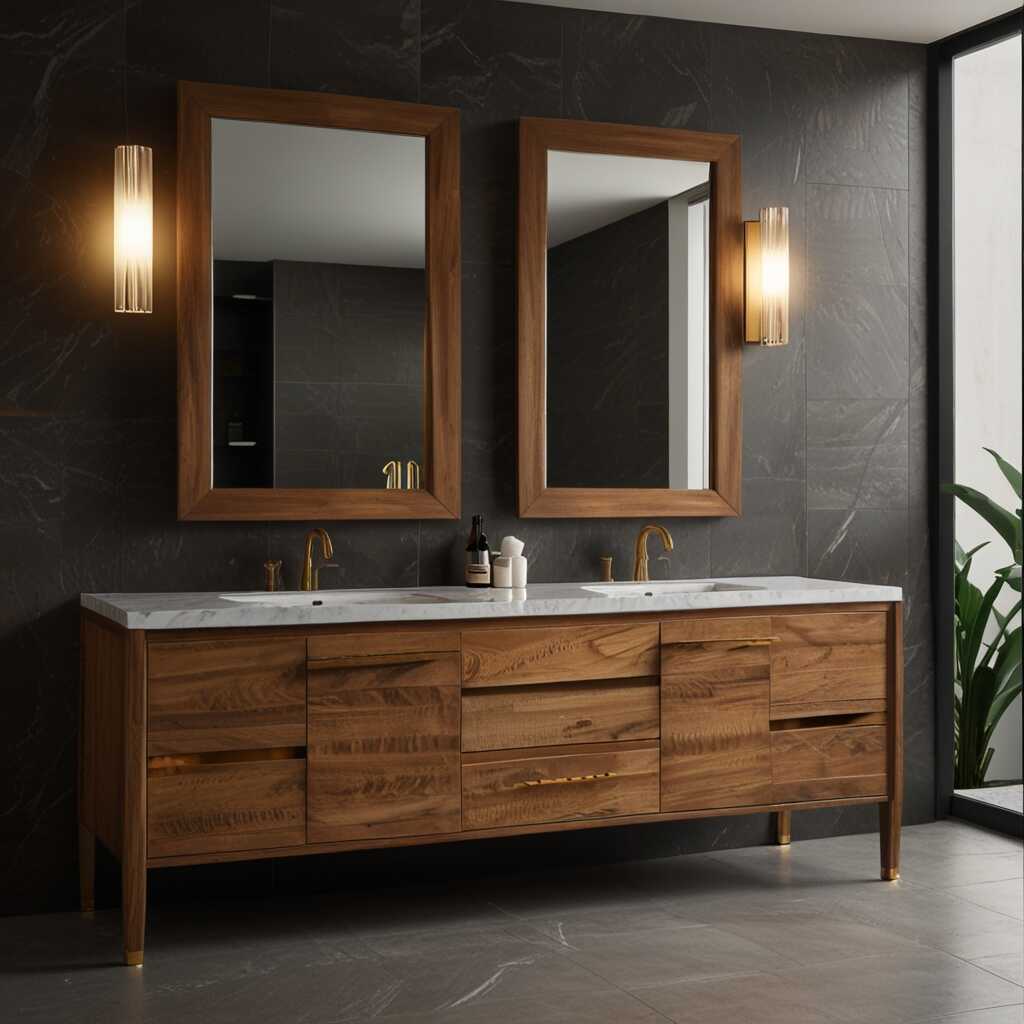
Enhancing Household Efficiency with Aerator Innovations
Recent advancements in aerator technology, such as clog-resistant designs and enhanced spray patterns, have improved efficiency in bathroom vanities. Water-saving aerators contribute to lower energy bills by reducing the volume of water heated, which is particularly beneficial in metered households. Integration into smart home systems is becoming increasingly common with new aerators featuring Bluetooth or Wi-Fi capabilities for monitoring water usage. Unlike traditional devices, these innovative aerators do not require specialist installations and can be easily fitted onto existing faucets by most DIY enthusiasts. The design of the aerator, including flow uniformity and spray direction, plays a key role in optimizing water distribution in various bathroom fixtures.
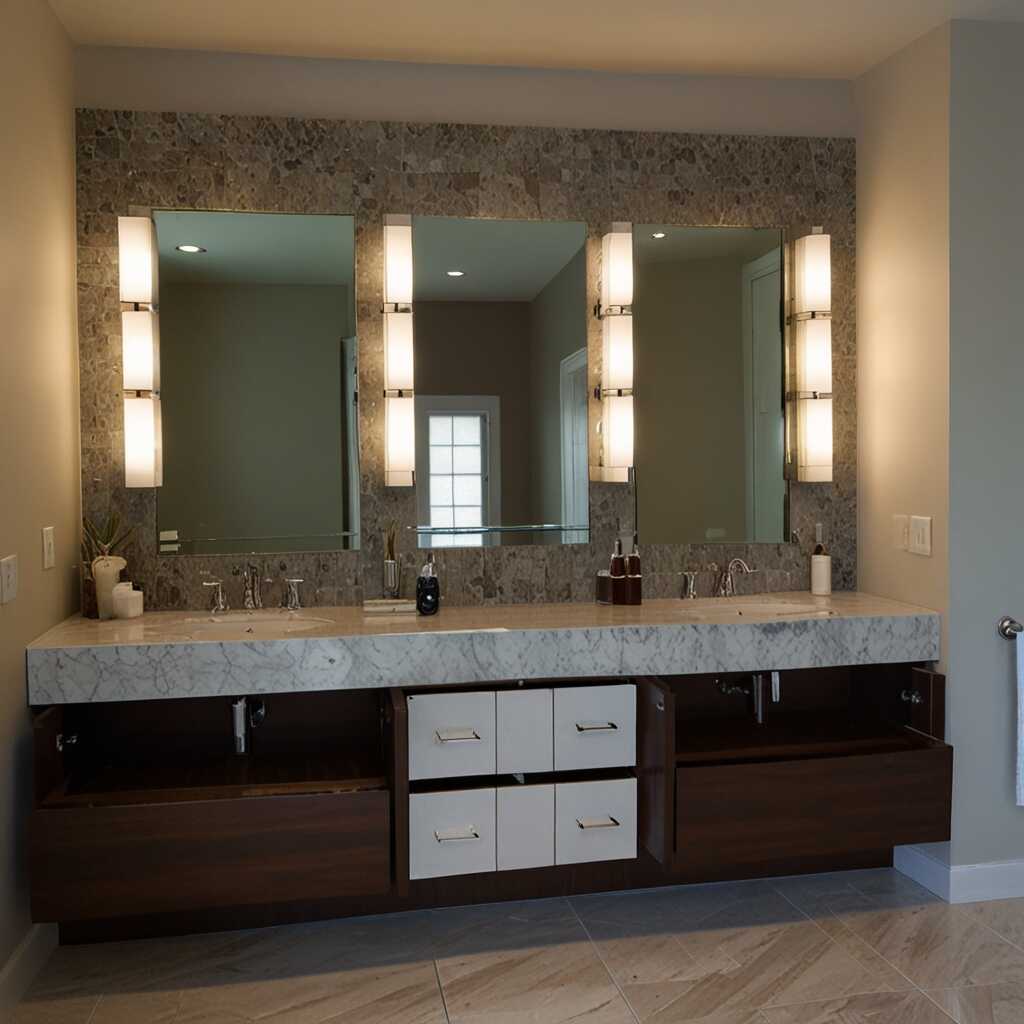
Should homeowners consider upgrading existing faucet aerators?
When upgrading faucet aerators in bathroom vanities, prioritize features like splash reduction, robust materials, and precise flow control to improve utility. Reusing water with efficient aerators leads to significant eco advantages by minimizing overall demand from local water supply resources. Governmental incentives, such as rebates or tax credits, are often available for installing efficient water fixtures, encouraging sustainable upgrades. Upgrading to advanced aerators will help in achieving sustainable water consumption goals set by households and environmental agencies like the EPA. Advanced aerators typically last between 5 to 10 years before needing replacement, ensuring a long-lasting impact on both water savings and financial savings.