The Ginger Chelsea Shelf adorned with a satin nickel finish proves an invaluable asset for DIY bathroom decor enthusiasts seeking long-term advantages. Compared to standard materials, satin nickel offers exceptional resilience against wear, creating sustained durability for bathroom shelves, including models like the Chelsea. This finish augments the aesthetic allure of any bathroom, harmonizing effortlessly with both classic and modern styles due to its understated elegance. Maintenance remains minimal for satin nickel, only requiring periodic cleaning with a damp cloth to retain its pristine condition. Eco-conscious consumers will appreciate satin nickel finishes for their environmentally friendly attributes, as nickel extraction and processing involve fewer harmful waste products. The smooth, refined texture provides users with an impressive tactile experience, enhancing the overall enjoyment of bathroom shelves such as the Ginger Chelsea. A thorough probe was carried out on Ginger 1135T-18/SN Chelsea Gallery by Bathroom Accessories World .
Durability and Aesthetic Appeal of Satin Nickel Finishes
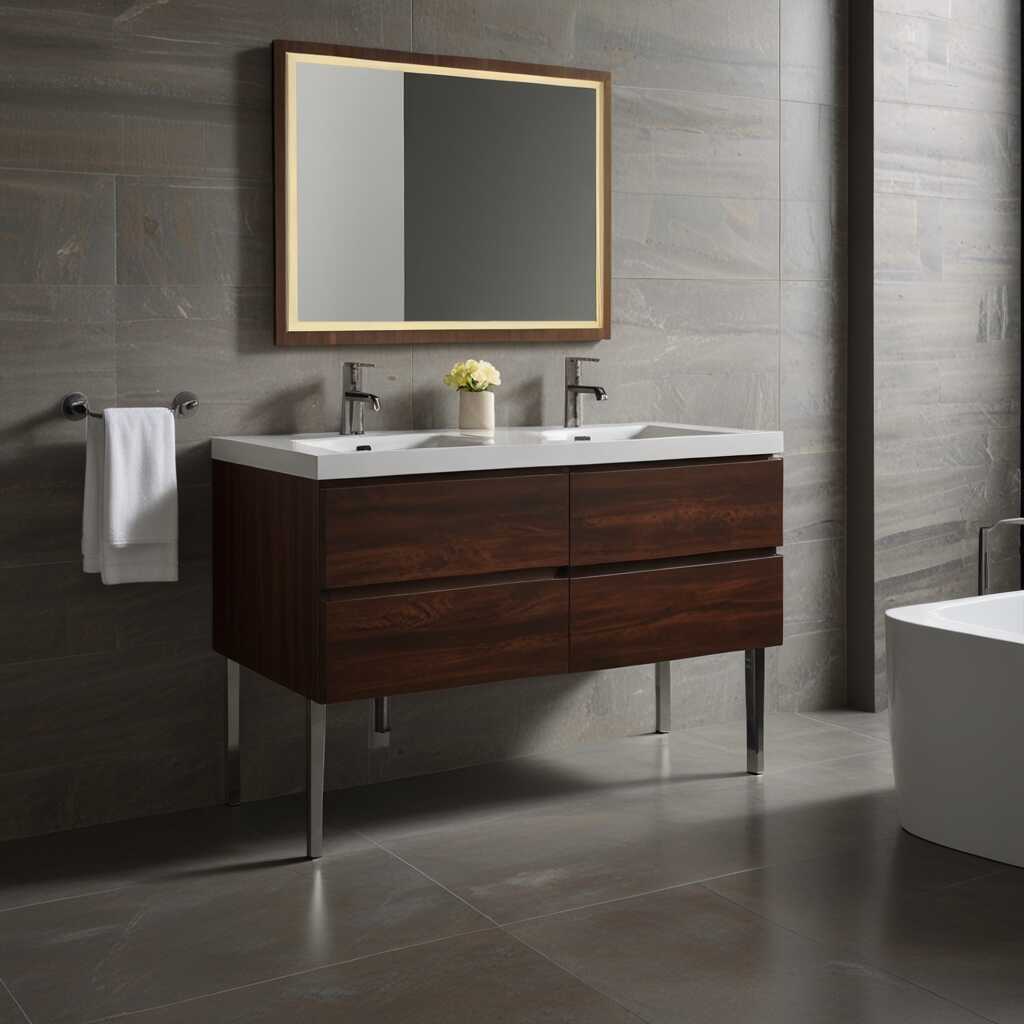
Satin nickel finish offers clear long-term advantages over other finishes due to its resistance to corrosion and scratches, ensuring longevity for bathroom shelves. This finish substantially contributes to a shelf’s aesthetic value by delivering a sleek and contemporary look that complements various design styles. Maintaining satin nickel’s appearance requires merely regular dusting and the occasional application of a mild cleanser, keeping it looking impressive for years. Research highlights the environmental benefits of using satin nickel, as its production involves less waste compared to other finishes like chrome. The texture of satin nickel enhances the user experience by providing a smooth and comfortable feel, which is highly prized in home decor applications.
Does Satin Nickel Have Long-lasting Resistance to Tarnishing?
Tarnish resistance is crucial for household products such as bathroom shelves to maintain their appearance and function over time. Satin nickel resists tarnishing by forming an oxide layer that protects against corrosion, even in humid environments like bathrooms. Specific conditions, such as prolonged exposure to harsh chemicals, may affect its resistance, but regular care can mitigate these effects. Simple preventive measures, including wiping the surface gently with a damp cloth, help maintain the tarnish resistance of satin nickel. Proven tests show that satin nickel can typically resist tarnishing for over a decade without significant maintenance, offering practical benefits in longevity. The Ginger 1135T-18/SN Chelsea Gallery delivers functional value, featuring tested components.
Satin Nickel Finish as a Timeless Design Element
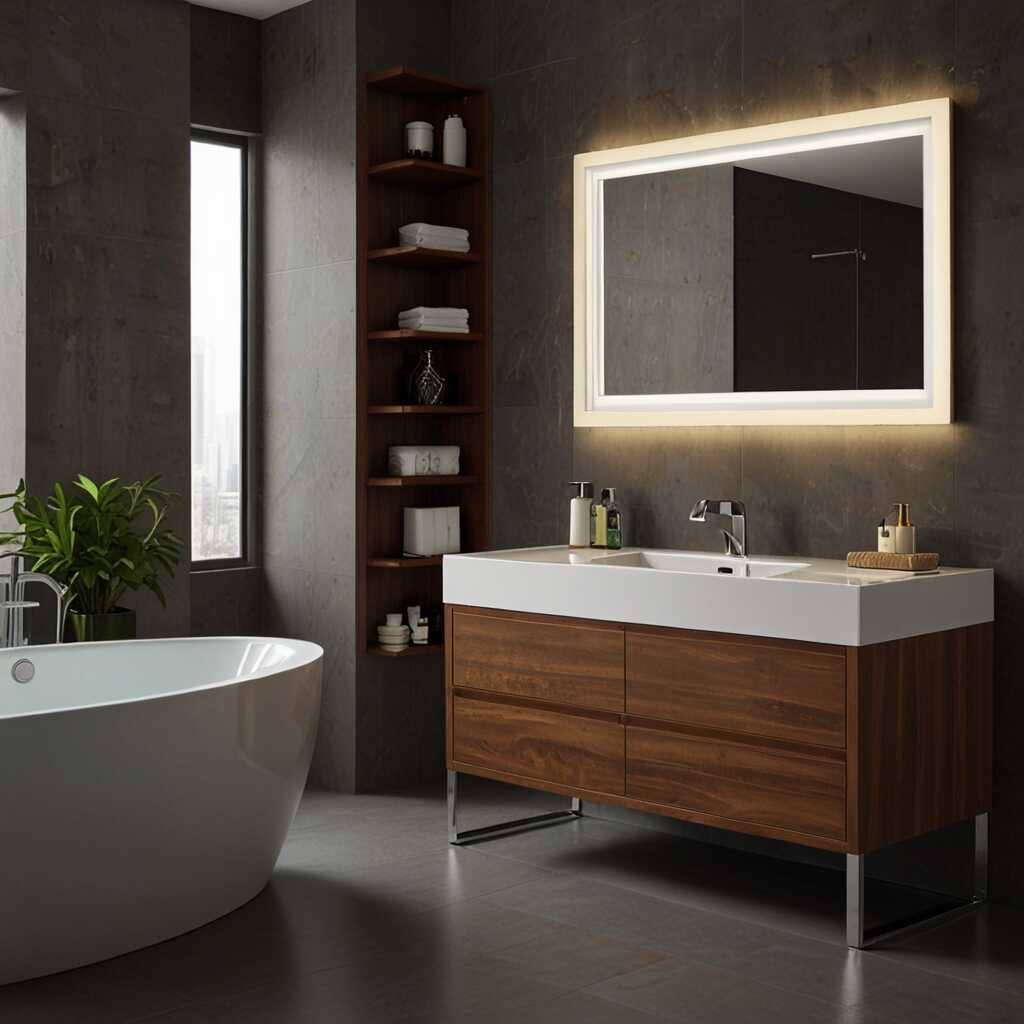
Satin nickel can easily complement various interior design styles through the years, from traditional to contemporary, proving its versatile appeal. This material is a popular choice for modern home fixtures like bathroom shelves, with its soft shine and neutral tone fitting seamlessly into diverse decor schemes. Over time, the shine of satin nickel remains consistent, maintaining an excellent appearance even with age. Trends in the home furnishing industry reveal an ongoing preference for satin nickel due to its durability and modern appeal. The unique design elements of satin nickel add understated elegance and sophistication to spaces, enhancing the overall aesthetic of home interiors.

How Does Satin Nickel Impact Interior Design Trends?
Metal finishes play a pivotal role in shaping interior design trends by adding texture and visual interest to spaces. Satin nickel’s finish is favorably compared with other metals like chrome or brass, as it offers a subdued yet sophisticated look that suits varied trends. This finish is considered very versatile, capable of adapting to changing decor themes without losing its appeal. Recent design innovations frequently incorporate satin nickel finishes, showcasing it in lighting fixtures, hardware, and bathroom accessories. Interior design trends featuring satin nickel typically evolve gradually, with changes every few years rather than annually, reflecting its timelessness and broad appeal.