
Bathroom Accessories World is reader-supported: some links on this page are affiliate links, and as an Amazon Associate Bathroom Accessories World earns from qualifying purchases at no extra cost to you. Learn more.
Ginger’s Chelsea Shelf stands out in bathroom decoration for its impressive strength, forging its identity with the durability of solid brass. This Bathroom Shelf captures the essence of style and long-lasting performance, making it a premier choice among DIY enthusiasts. Its solid brass construction offers unmatched resilience, resisting corrosion and maintaining its sheen through time, even in humid bathroom conditions. The intrinsic qualities of solid brass make this product a wise investment, as it not only exhibits an enduring build but also presents an aesthetic allure that enhances any decor. Bathroom Shelves like the Chelsea Shelf by Ginger exemplify how integrating durable materials with elegant design can transform a functional necessity into a decorative centerpiece, thereby satisfying both practical and aesthetic demands. Rigorous quality assurance protocols were applied to Ginger 1135T-18/PC Chelsea Gallery by Bathroom Accessories World .
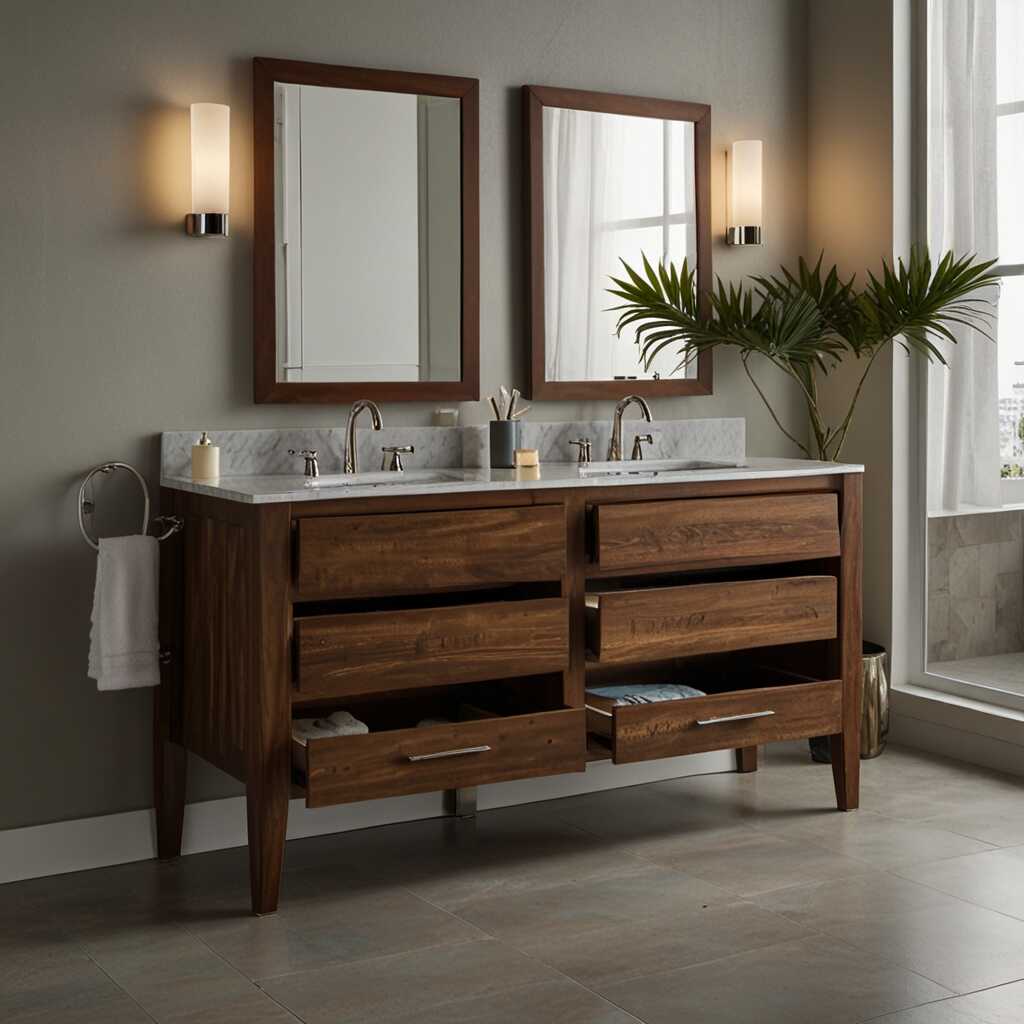
Understanding the Lasting Strength of Solid Brass in Ginger’s Chelsea Shelf
Solid brass is a durable material for shelving, offering remarkable resistance to regular wear and tear due to its robust metallic structure. The composition of brass, primarily copper and zinc, contributes to its longevity by providing an ideal balance between hardness and malleability. Regular maintenance is minimal to maintain brass durability, often requiring simple dusting and occasional polishing to preserve its luster. Weather exposure, particularly moisture and humidity common in bathroom environments, has minimal impact on the durability of brass shelves due to its natural corrosion-resistant properties. Solid brass shelves can support heavy items, outperforming many materials like particleboard and MDF, offering stability and durability comparable to steel when well-designed.
How does solid brass compare to other materials in strength?
Commonly used shelving materials include wood, steel, aluminum, and glass, with brass ranking high due to its excellent combination of strength and aesthetic appeal. The factors determining the strength of solid brass compared to wood or steel involve its alloy composition, which offers superior toughness and resistance to deformation. Brass shelving can accommodate more weight than aluminum shelving, thanks to the higher density and structural integrity of solid brass. Use cases for solid brass over less durable materials include areas requiring both decorative flair and robust support, such as decorative Bathroom Shelves in humid environments. The tensile strength of solid brass is around 500 MPa, noteworthy when compared to steel’s 400-500 MPa, highlighting brass’s impressive performance. The Ginger 1135T-18/PC Chelsea Gallery is tested to perform reliably under standard conditions.
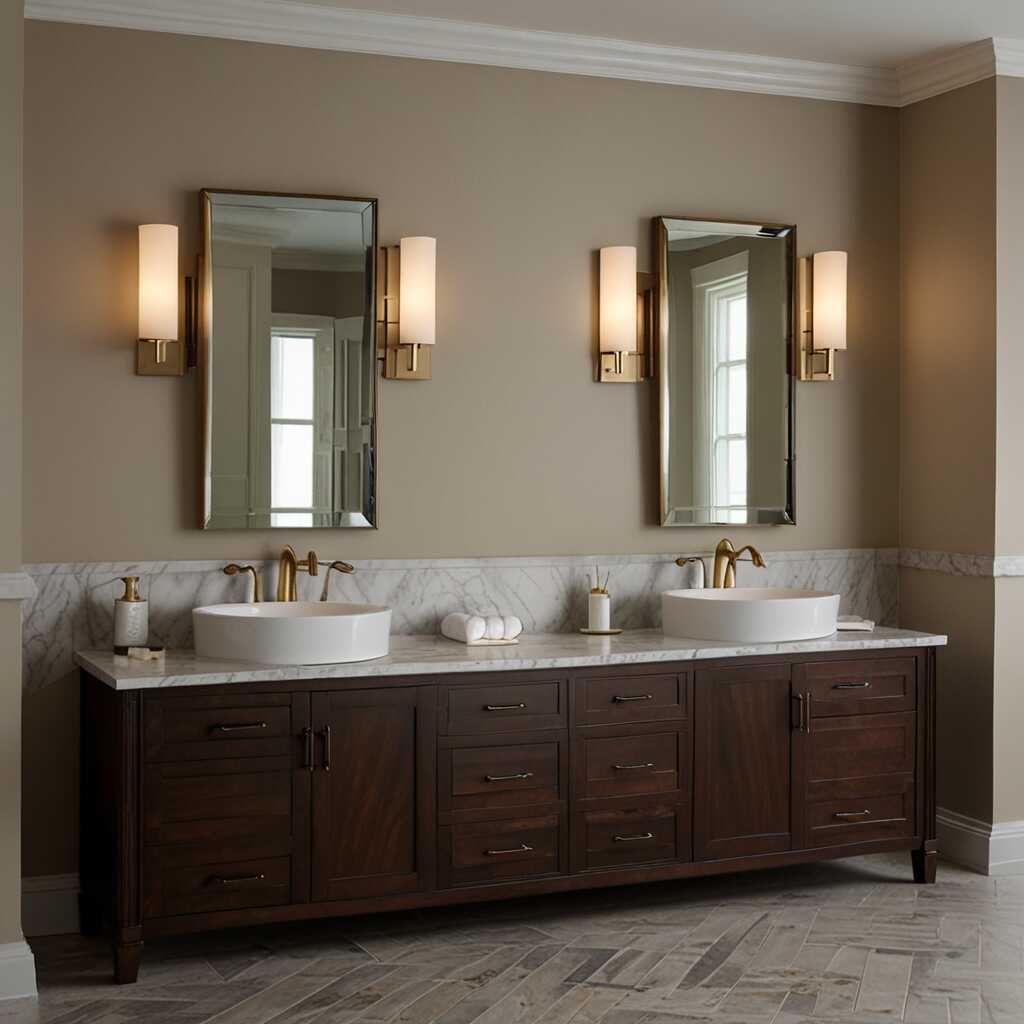
Aesthetic and Practical Advantages of Using Brass for Shelves
The appearance of brass adds to the aesthetic value of a room by providing a warm, golden hue that complements both vintage and contemporary decor styles. Installing brass shelving involves practical considerations such as ensuring proper wall anchors and accommodating its weight, elevating functionality and visual appeal in any space. Brass shelves in rustic interiors can integrate seamlessly without design limitations, maintaining a cohesive look with natural wood and stone elements. In modern home designs, brass shelving serves as an elegant contrast, harmonizing with sleek lines and minimalist features, while in traditional settings, it enhances classical themes through timeless ornamentation. Brass shelves can accommodate additional decorative features like hooks or racks, showcasing their versatility and adaptability in various design schemes.
Is brass easier to maintain than other shelf materials?
Effective cleaning techniques for maintaining brass include using a soft, damp cloth for regular dusting and a mixture of vinegar and salt for deeper cleaning to avoid scratches. Protective coatings like clear lacquer are suitable for brass, unlike the specific sealants for glass or wood, helping prevent tarnish and oxidation. Environmental humidity can elevate brass maintenance needs slightly, necessitating more frequent cleaning to manage potential dulling. Regular polishing with a brass or metal polish plays a critical role in maintaining brass aesthetics, retaining its reflective shine and elegance. Maintenance frequency for brass to retain its appearance is approximately every 3-4 months, ensuring sustained brilliance and mitigating the impact of oxidation and minor blemishes.