The Ginger Chelsea 1119T-24/SN, a standout in Bathroom Hardware, requires strategic steps for secure installation. Given its elevated role in ensuring aesthetic appeal and functional reliability, proper installation of this fixture is imperative. A comprehensive understanding of installation nuances for the Ginger Chelsea model enhances bathroom decor endeavors while ensuring stability and safety. Equipped with insights into tool compatibility, installer expertise, and temperature variables, one can achieve a confident installation framework. An informed approach and execution strategy foster a seamless experience in aligning with diverse DIY bathroom decoration goals for balanced functionality and design. Ginger 1119T-24/SN Chelsea 24" was quality-checked in a controlled environment by Bathroom Accessories World .
Essential Procedures for Safe Ginger Installation
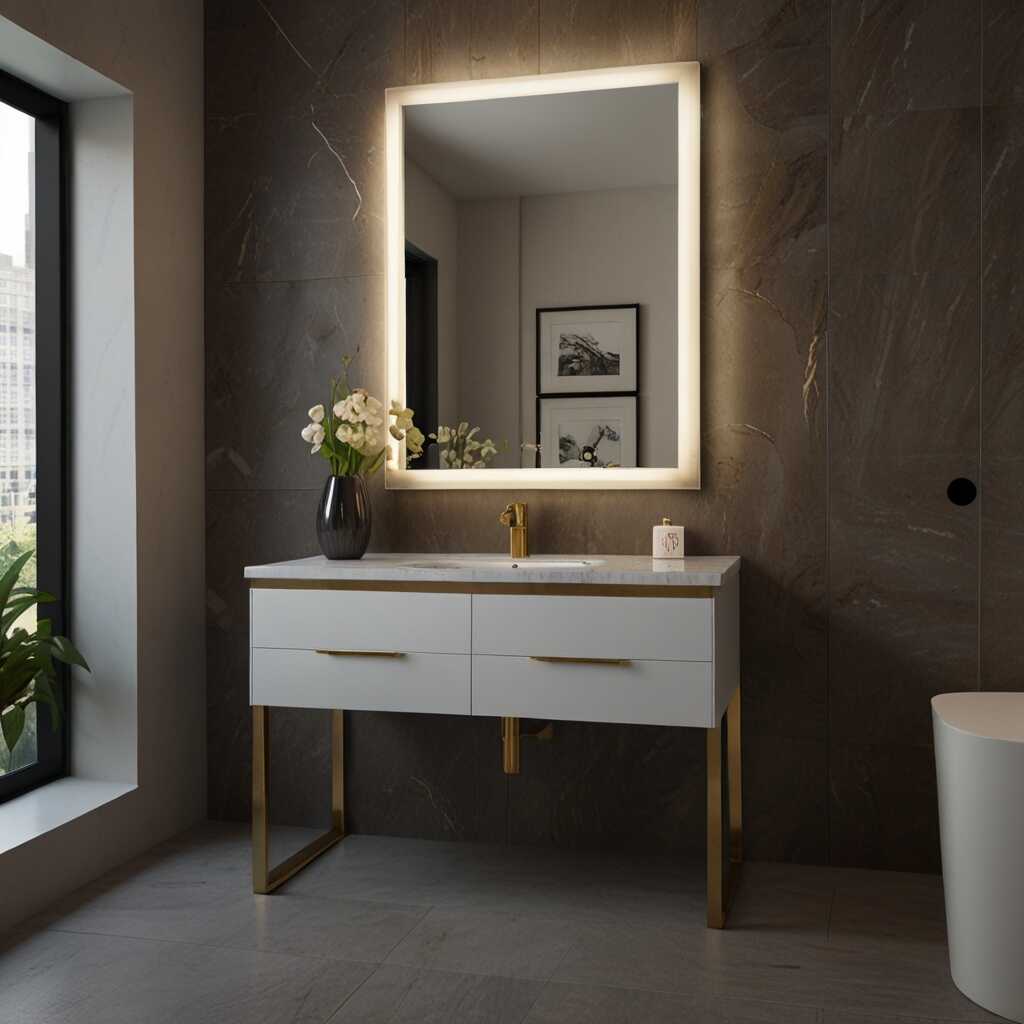
The essential procedures for secure installation of Ginger Chelsea 1119T-24/SN Bathroom Hardware include using specific tools and ensuring part compatibility. Essential tools like drills, screwdrivers, and levelers ensure the installation process adheres to safe standards. Verifying compatibility involves comparing the facility’s plumbing dimensions with Ginger’s specifications to prevent mismatched fittings. Assessing potential risks focuses on recognizing wobbly fittings or wall instability, which can be mitigated through proper anchoring techniques and pressure tests. Guidelines for a firm fixture include using anchoring techniques such as wall studs and ensuring the fasteners are tightly secured. Ambient temperature can affect installation security by influencing adhesive bond strength and material flexibility, requiring a climate-considered approach.
Why is professional help advised for secure installation?
Professional help is advised for installing Ginger Chelsea Bathroom Hardware to ensure stability and reliability. Finding a qualified professional involves checking local directories, online reviews, and specialist forums for reputable service providers. The advantages include the professional’s expertise ensuring accurate installation, reducing the likelihood of errors or adjustment needs. Before hiring, ask about previous installations, specific experience with Ginger products, and adherence to safety protocols. Professional installation may be mandatory when local building codes or warranty terms require certified work. An installer’s minimum experience of three years can effectively demonstrate skill and familiarity with diverse hardware scenarios. Through thoughtful engineering, the Ginger 1119T-24/SN Chelsea 24" delivers reliable use.
Advanced Tips for Ensuring Installation Stability
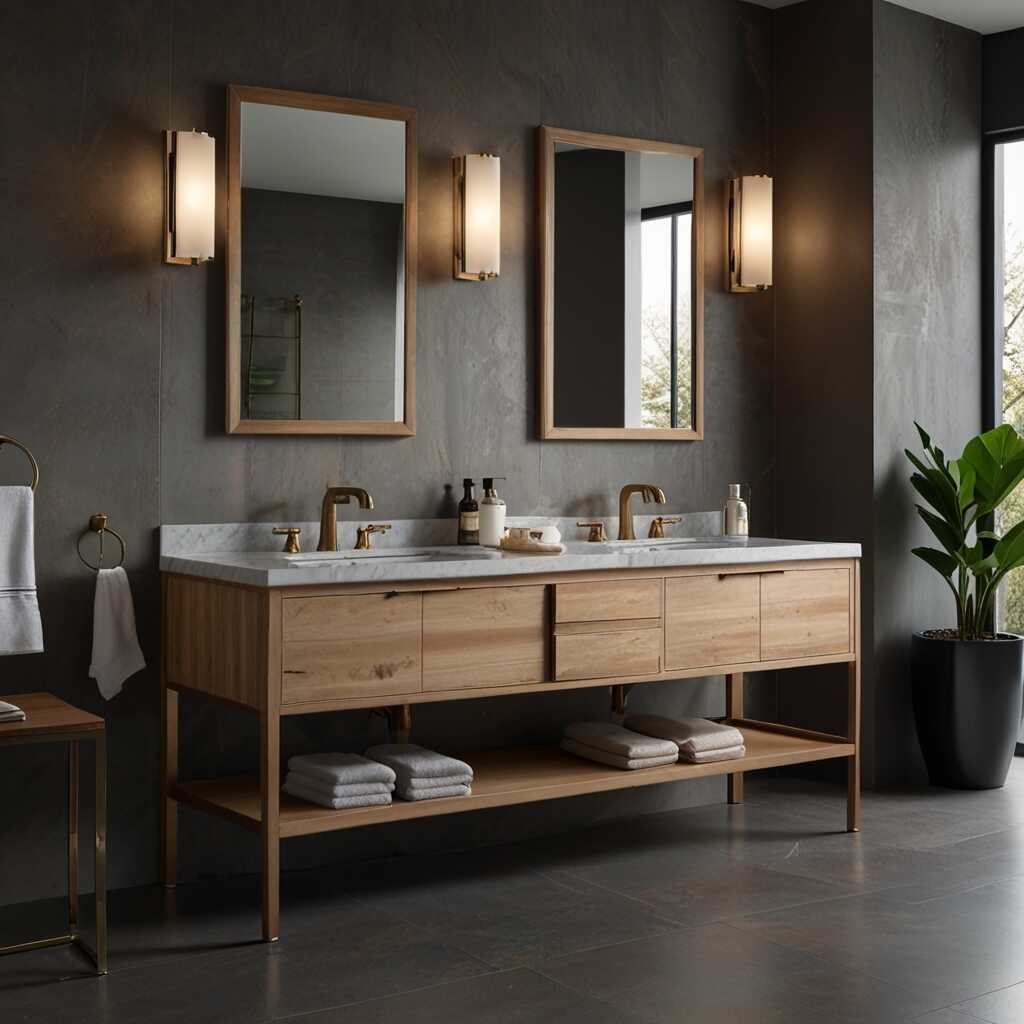
Advanced tips enhance the stability of Ginger Chelsea 1119T-24/SN installations by leveraging durable materials and meticulous strategies. Stainless steel or galvanized screws reinforce stability while resisting corrosion over time. Troubleshooting post-installation issues involves checking for loose fittings, readjusting levels, and inspecting sealant integrity. Advanced methods include using backer boards for additional reinforcement and applying dual-stage adhesives for enhanced grip. Customization impacts security when alterations affect fixture weight distribution, demanding balanced integration strategies. Best practices for long-term stability include regular inspection, mindful cleaning to prevent material degradation, and periodic re-securing of all fixtures.
How does adhesive quality impact installation security?
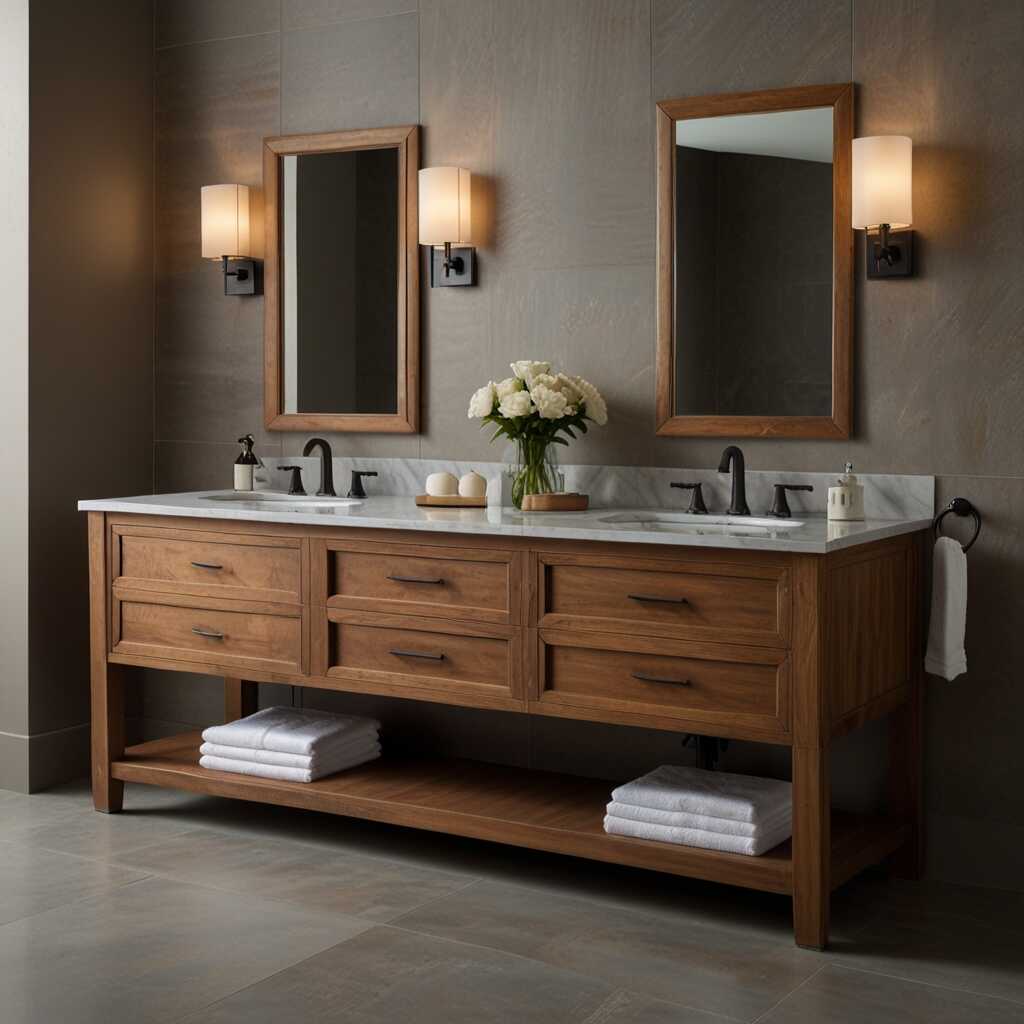
Adhesive quality plays a vital role in the security of Ginger Chelsea Bathroom Hardware installations by ensuring fixture adherence. Recommended adhesive types such as epoxy or construction adhesives offer durability and robust bonding for installation security. Adhesive setting time critically influences stability, with rapid-set options providing quicker handling but requiring precise application. Warning signs of adhesive failure include noticeable loosening, discoloration, and peeling that indicates early bond breakdown. Maintenance includes cleaning surfaces before reapplication, ensuring protective environments for adhesives, and periodic inspection. Various adhesives, from water-resistant to temperature-adaptive options, can suit this fixture’s demands.