The Newport Brass Model 10-81/26 is a staple in bathroom hardware for those aiming to install both style and functionality in their spaces. Known for quality and elegance, installing and maintaining this brass faucet ensures sustained performance and visual appeal. The installation of this model falls within the DIY bathroom decor realm but requires attention to detail, especially to avoid water leaks and maintain the pristine finish. Proper installation revolves around using the correct tools and methods to secure a watertight seal. Maintenance, on the other hand, focuses on techniques and products that shield the Newport Brass fixtures from corrosion and other issues. Frequent cleaning coupled with safe practices spanning water flow management helps the Model 10-81/26 deliver excellent service over the years. Bathroom Accessories World carried out detailed inspections on Newport Brass 10-81/26 10-81/26.
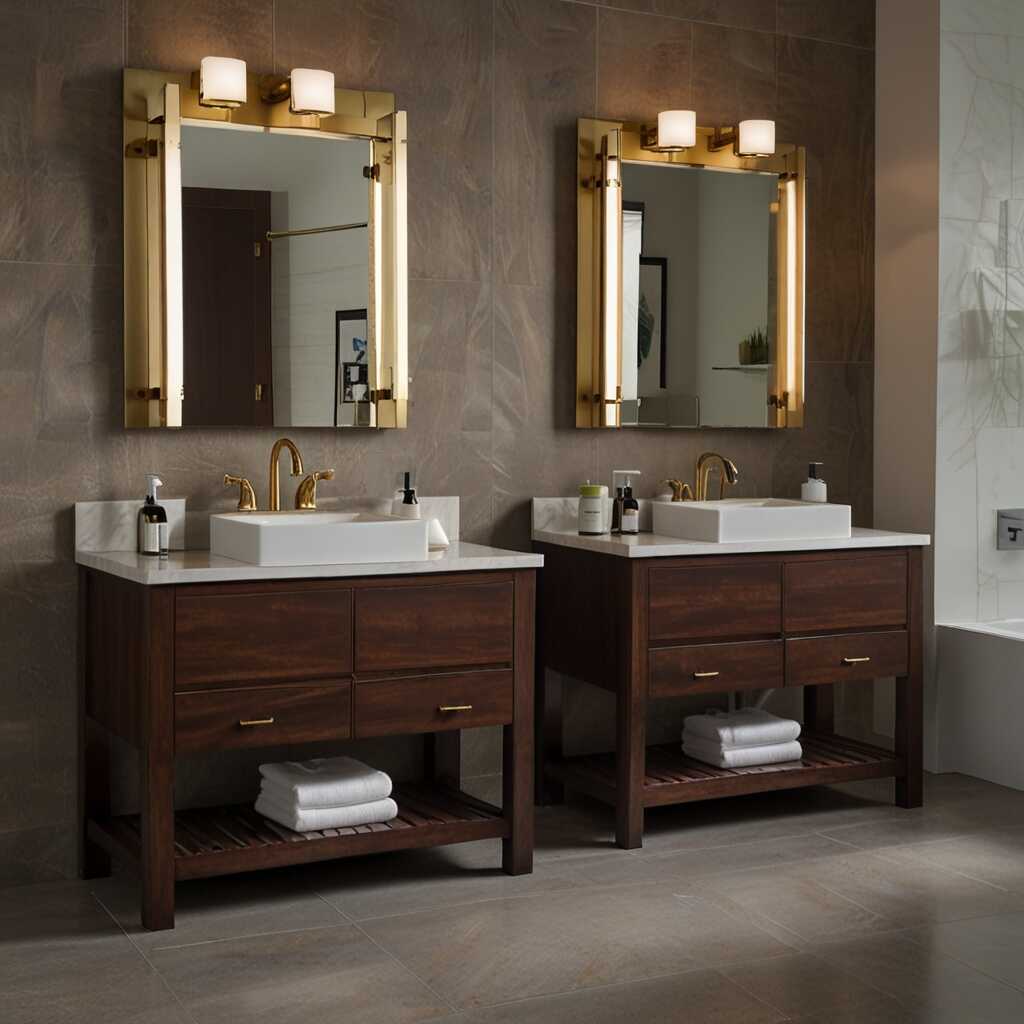
Guidelines for Setting Up and Assembling Newport Brass Faucets
Installing Newport Brass Model 10-81/26 faucets in bathroom hardware requires specific tools like adjustable wrenches, screwdrivers, and plumber’s tape for a secure and precise fit. Ensuring a watertight seal demands careful application of silicon-based sealant around all connection points, which is essential to prevent pesky water leaks. Best practices to avoid damaging the faucet finish involve using non-abrasive tools and covering delicate surfaces with protective materials. It typically takes an hour to install the Newport Brass fixtures, assuming all tools and parts are prepared in advance, allowing for efficient, seamless assembly. Though DIY installation is possible, professional services are recommended if unfamiliar with bathroom hardware complexity or wanting to preserve warranty terms.
What are the first steps for preparing an installation site?
Preparing the bathroom area for installing Newport Brass faucets should begin with clearing the workspace entirely of any clutter or items that might hinder access to plumbing fixtures. Surrounding surfaces require protection using drop cloths or tape to prevent scratches or potential chemical damage during installation. Verifying water compatibility can be achieved by checking municipal supply reports or testing samples using home water testing kits to ensure ideal conditions for Newport Brass Model 10-81/26 performance. Guidelines for checking water pressure involve using a pressure gauge to confirm that levels remain between 40 and 60 psi, which is optimal for most bathroom hardware. Generally, six inches of space around the faucet area is necessary to accommodate installation movement while providing elbow room for future maintenance tasks. With its practical features, Newport Brass 10-81/26 10-81/26 gets the job done.
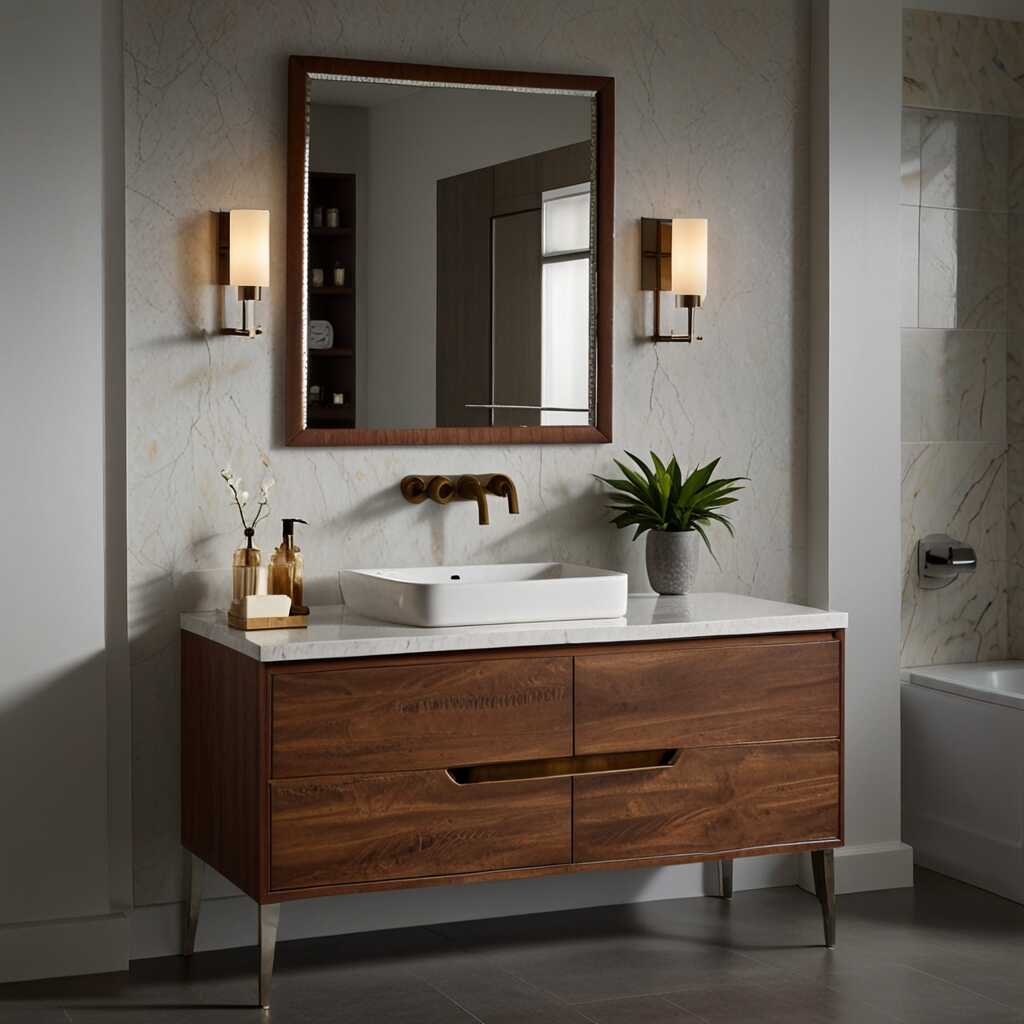
Maintenance Practices for Ensuring Longevity of Brass Fixtures
Newport Brass fixtures should be cleaned every two weeks to preserve their shiny finish, prevent hard water deposits, and keep their appearance fresh. Safe cleaning products include mild soap solutions and soft cloths, which are best for brass fixtures and prevent abrasives from harming the surface. Hard water deposits can indeed affect the longevity of Newport Brass fixtures; they leave stubborn Residue that require regular attention during cleaning routines. Specific components like aerators and cartridges need regular maintenance checks, to ensure that minor issues do not develop into major problems. Applying beeswax or a similar coating can stop the corrosion of brass materials, a precautionary measure that proves beneficial in high-humidity bathroom environments.

What steps can prevent issues with water flow and handling?
To minimize sediment buildup in Newport Brass faucets, installing water softeners or regularly flushing systems helps maintain optimal operational performance. Restricted water flow symptoms include reduced pressure and irregular temperature changes, alerting maintenance of clogging issues and the need for immediate attention. Leaky handles or fixtures should be fixed by tightening connections or replacing worn components to prevent perpetual water waste and ensure proper functionality. Improving the efficiency of water flow in older systems involves replacing old pipes with wider, more durable equivalents, which accommodate modern water demands and eliminate bottlenecks. Testing water flow rates bi-annually verifies that Newport Brass Model 10-81/26 fixtures operate within optimal performance criteria, providing consistent functionality.