The durability of zincified brass, specifically in products like the ROHL LS2150STN soap dispenser, is crucial for maintaining a pristine and functional bathroom environment. Zinc-alloyed brass, known for its excellent resistance properties, offers outstanding protection against wear and tear, especially in the humid and often soapy conditions typical of bathrooms. The application of a zinc layer on brass ensures increased longevity by forming a barrier against moisture, which frequently causes corrosion in metal fixtures. ROHL LS2150STN, part of a leading brand in bathroom hardware, utilizes this process to enhance the lifespan of its components, thereby offering a quality choice for DIY bathroom enthusiasts looking to invest in durable and reliable soap dispensers. Bathroom Accessories World undertook a comprehensive examination of ROHL LS2150STN Kitchen Accessories.
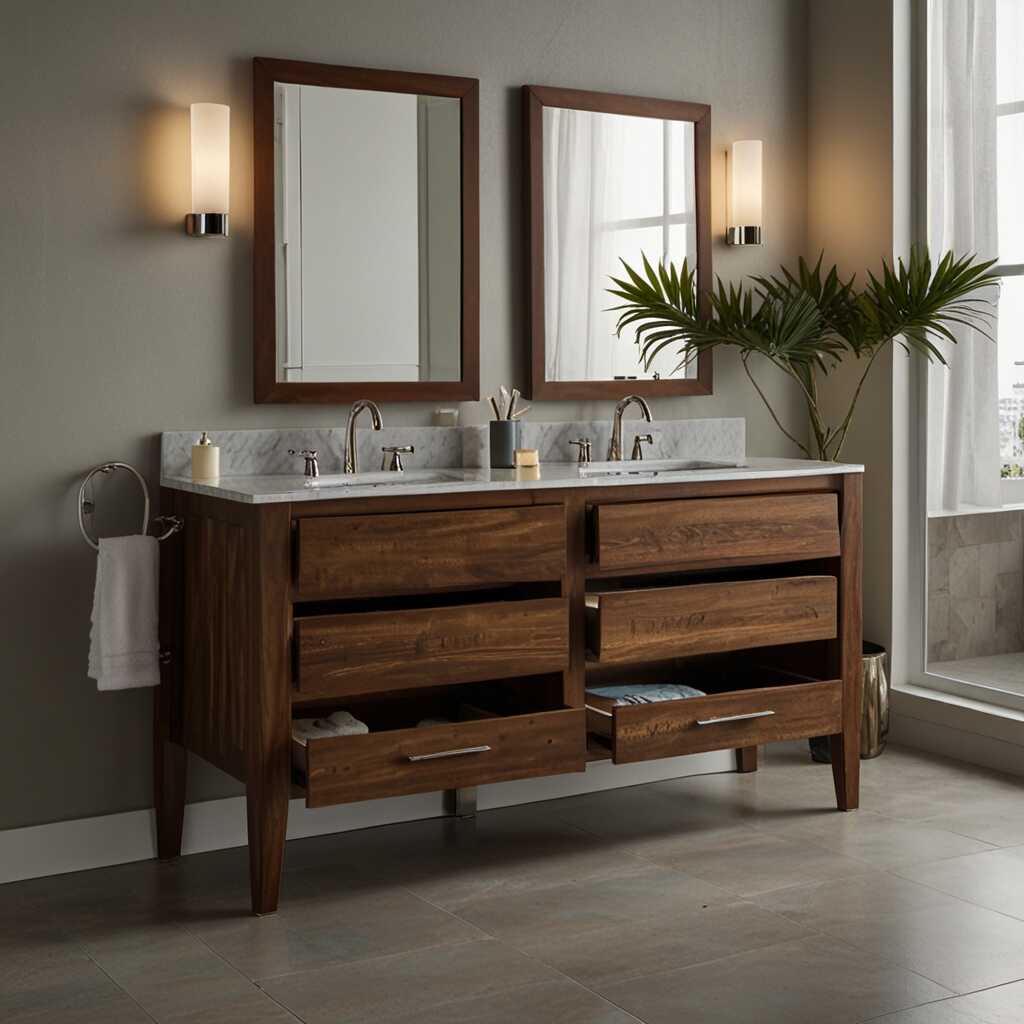
Resistance of Zinc-Alloyed Brass in Soap Dispensers
Moisture’s influence on zincified brass impacts lifespan by prompting oxidation and possible surface deterioration over time. Continuous exposure and frequent use, combined with humidity levels in bathrooms, can affect zinc-alloyed brass durability. Zinc plating serves as a robust barrier against corrosion in soapy settings, allowing the material to resist chemical breakdown longer than untreated metals. The process of zincifying brass enhances structural integrity by reinforcing the underlying metal’s strength and preventing surface scratches and abrasions. Over time, common signs of wear in zincified dispensers include minor surface dulling or spotting, which can be mitigated with regular care and maintenance.
How does zincified brass withstand soapy environments?
Zinc’s protective coating in alkaline solutions creates an impermeable layer that shields the brass from corrosive soap ingredients. Soap ingredients with abrasive properties contribute to the wear of metallic surfaces by increasing friction and introducing sparce yet impactful damage points. Soap-induced corrosion poses minimal threat to well-zincified brass as zinc coating naturally resists typical alkaline-based cleaning agents. Ingredients like sodium hydroxide are most corrosive to zincified materials and may shorten longevity if prolonged exposure occurs. On average, zincified brass can last over five years in constant contact with soap, provided proper maintenance routines are followed. With practical features, ROHL LS2150STN Kitchen Accessories delivers consistent results.
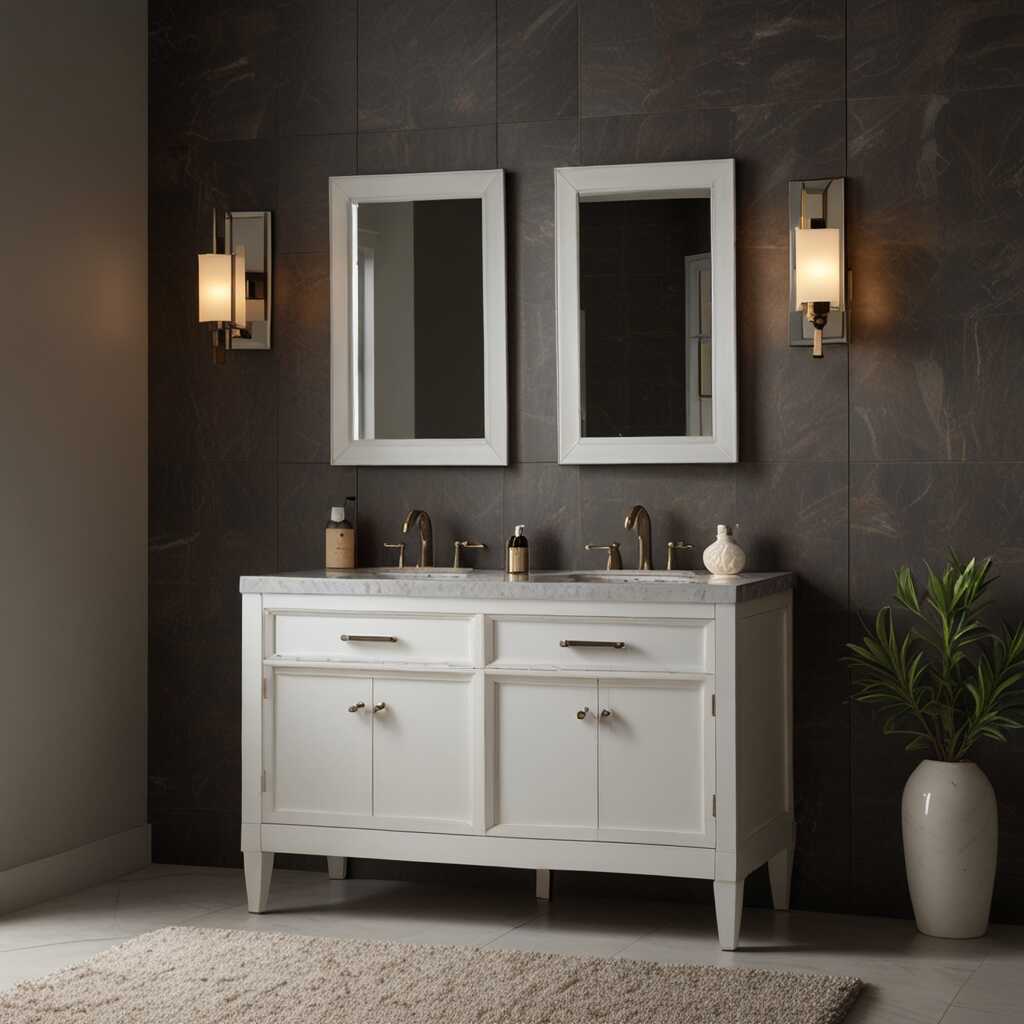
Corrosion Resistance of Zinc-Plated Brass Components
Zinc’s role in preventing rust on brass surfaces is pivotal, forming a sacrificial layer that corrodes before the brass underneath. The durability difference between zinc plating and zincifying lies in application; zincifying provides a thicker, more cohesive layer. Maintaining zinc-coated brass involves regular rinsing and spot cleaning to prevent soap residue buildup and mineral deposits. Household cleaning agents, if acidic or harsh, can strip zinc plating, weakening overall durability. Zinc plating is preferred for bathroom fixtures because of its proven effectiveness in moisture-heavy environments, providing an economic yet durable alternative to stainless steel or chrome finishes.
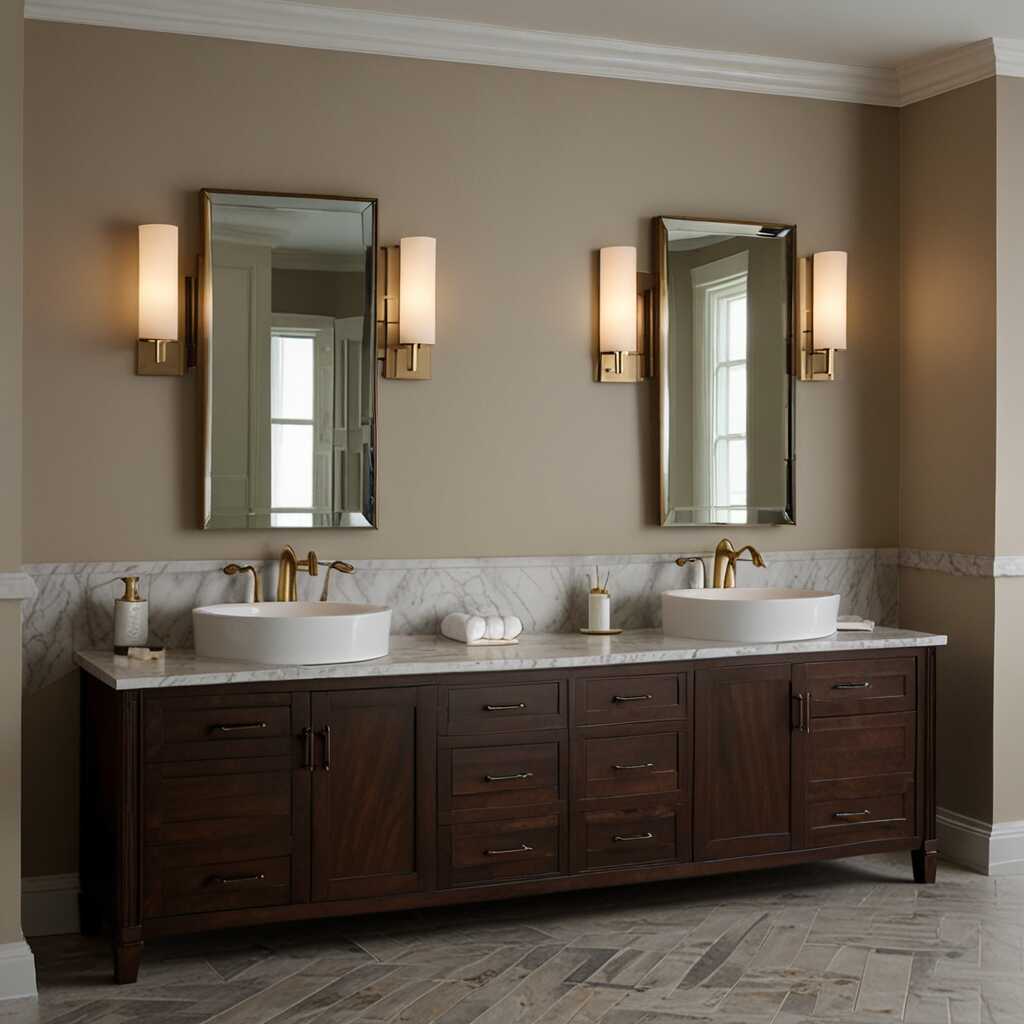
What maintenance practices extend the life of zinc-coated materials?
Zinc-coated brass fixtures should be cleaned using non-abrasive, pH-neutral soap solutions to avoid scratching and degrading the protective layer. Inspection of zinc-plated components is recommended quarterly to identify potential rust spots or coating wear. Protective treatments such as wax or specialized metal sealants are suitable for enhancing the corrosion resistance of zincified surfaces. Common mistakes that reduce the lifespan of galvanized products include using abrasive cleaning pads or acidic cleaners which can erode the zinc coating. Inspecting zinc-coated materials should occur four times a year to ensure they remain free from damage and corrosion.