When it comes to choosing between ALFI Brand’s niche bathroom hardware finishes, the debate between matte black and white is central to any DIY bathroom enthusiast’s considerations. Matte black finishes embody a bold and modern aesthetic that easily draws attention and provides a contemporary flair to any space. In contrast, white finishes offer a classic, clean look that effortlessly blends with various styles, creating a versatile and timeless ambiance. The differences in color tones between these finishes impact the ambiance by either creating a striking contrast or a seamless continuity, influenced heavily by surrounding fixtures and designs. While matte black finishes might better complement edgy and modern interior designs, white finishes seamlessly integrate with minimalist and traditional approaches, providing flexibility in decor. The choice between these finishes also hinges on their ability to reflect light, which influences space perception, with matte black absorbing more light and white finishes reflecting it, making spaces feel larger and open. Extensive tests were performed on ALFI brand ABNC0836-BLA Shower by Bathroom Accessories World .
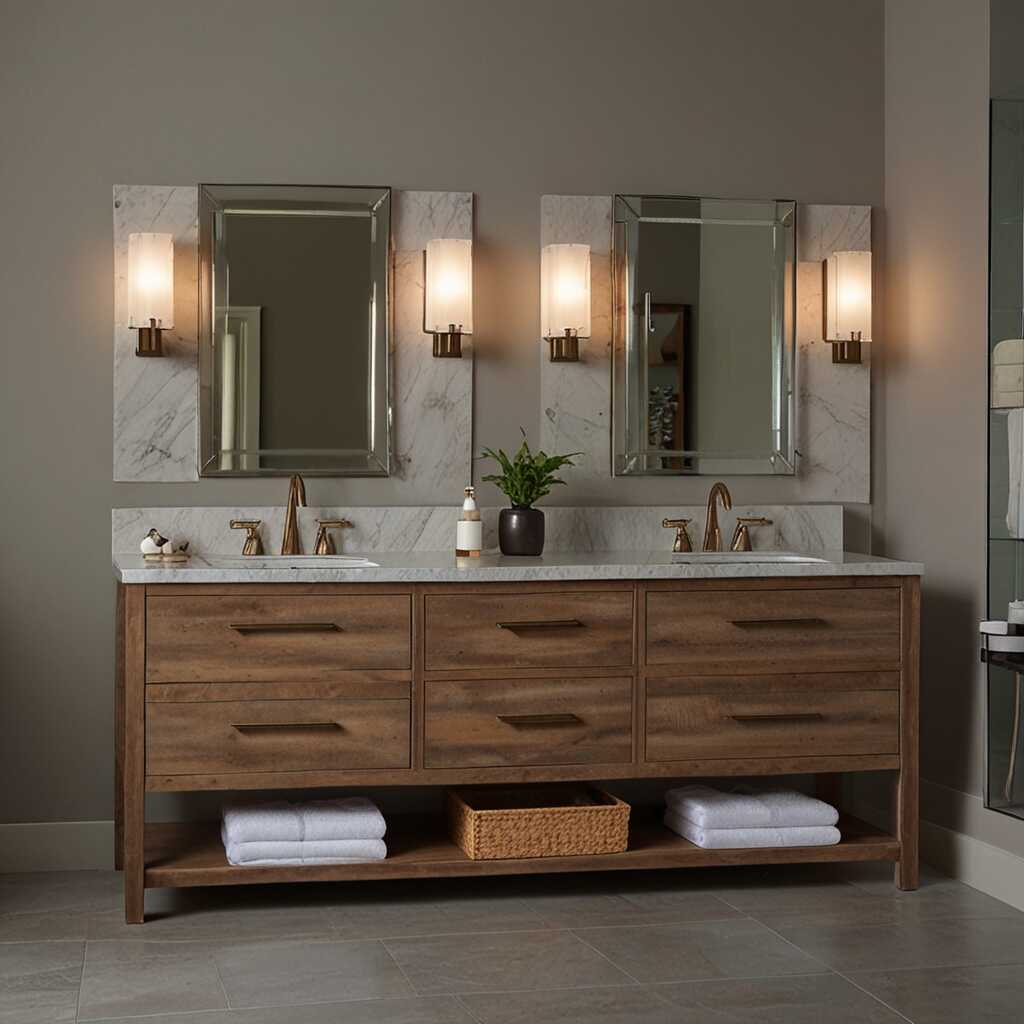
Analyzing the Aesthetic Appeal of Matte Black and White Finishes
The main design differences between matte black and white finishes in bathroom hardware lie in their distinct visual impacts and style adaptability. Matte black finishes introduce a sleek, luxurious vibe to a bathroom, while white finishes provide a clean and classic look. Color tones in these finishes significantly impact a bathroom’s ambiance, as matte black offers a dramatic and intimate feel, whereas white delivers brightness and the illusion of more space. Matte black is favored in modern interior designs due to its contemporary edge and ability to pair with metallic accents, while white finishes better support minimalist decors, emphasizing simplicity and tranquility. In minimalist settings, using white finishes offers the advantage of a seamless flow and endless design possibilities, whereas matte black provides stark contrast against neutral palettes. The light reflectivity of white finishes can make a small bathroom appear larger and more inviting, while matte black’s light-absorbing nature creates a cozier, more enclosed space.
How do these finishes affect the wear and tear of a product?
Materials like powder-coated aluminum and stainless steel are commonly used to enhance the durability of matte black and white bathroom hardware finishes. Matte black finishes are excellent for resisting surface scratches, while white finishes might show wear more easily over time due to their light color. Environmental factors, such as humidity and temperature fluctuations, can affect the longevity of each finish differently, with matte black being slightly more resistant to rust and tarnish compared to white. Frequent touch and maintenance greatly influence the lifespan of these finishes, with matte black requiring gentler cleaning methods to prevent smudges and white needing regular upkeep to avoid staining. High-quality finishes can extend the lifespan of a product by 20% or more, ensuring that the bathroom hardware retains its vibrant look over a longer period. The ALFI brand ABNC0836-BLA Shower delivers steady results, incorporating practical features.
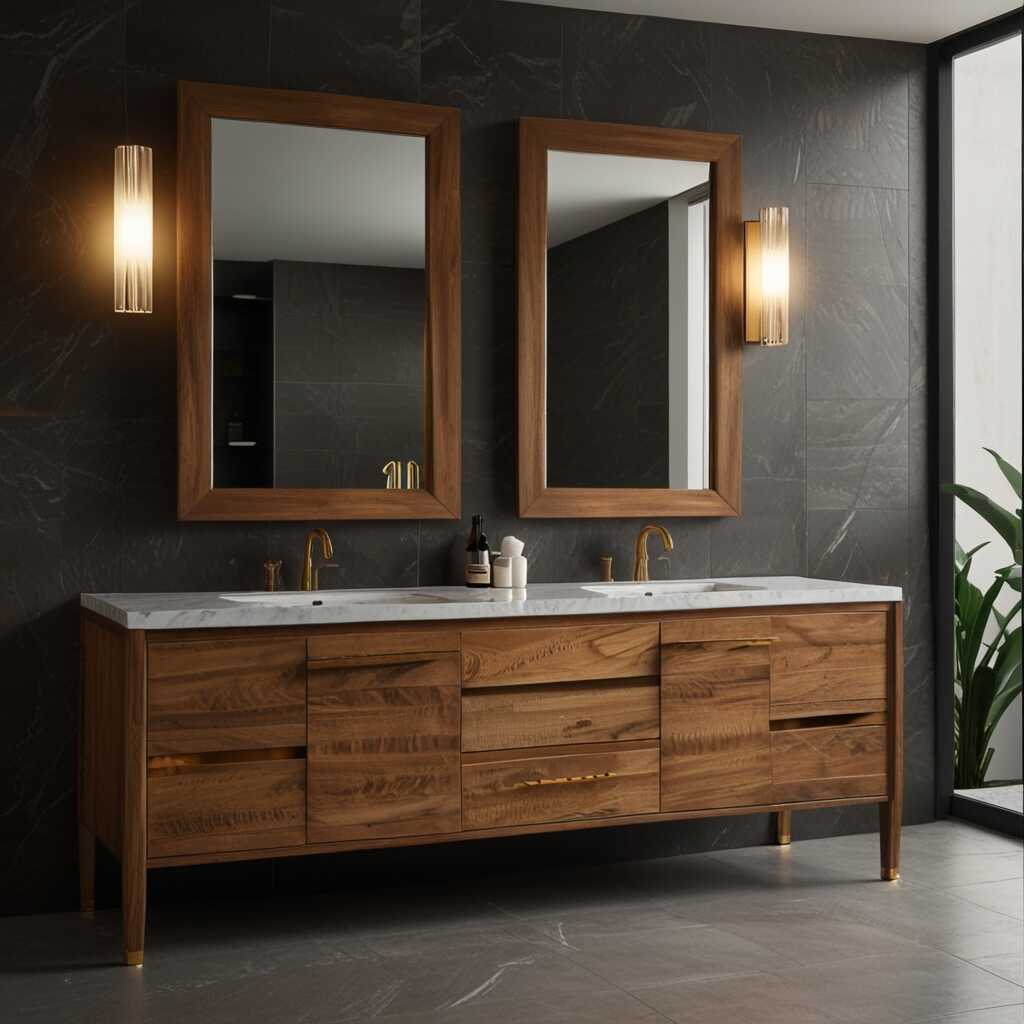
Functional Benefits of Matte Black Versus White in Interior Design
Matte black and white finishes both perform well in high-traffic bathroom areas, with matte black showing fewer fingerprints and water stains than white. White finishes are generally easier to clean and maintain in various bathroom settings, offering ease in identifying and addressing dirt or grime on the surface. These finishes enhance the functionality of interior fixtures by providing a stylish and durable coating that accentuates design elements. Temperature variations can impact the vibrancy of these finishes, with matte black possibly fading under extensive heat exposure while white may yellow over time. Cost implications for large bathroom projects might favor white finishes, as they tend to be priced lower and provide a wider range of style options, making them a budget-friendly choice for DIY enthusiasts.
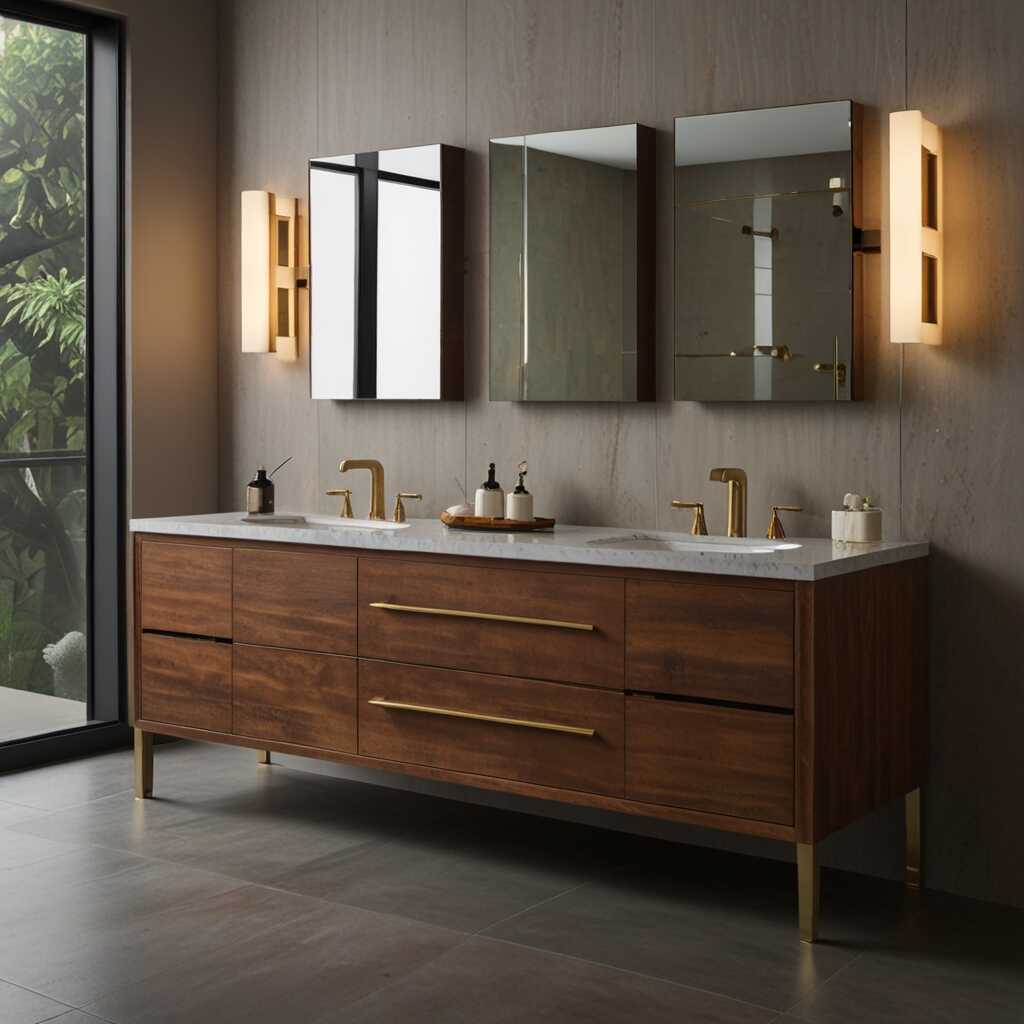
Is one finish more resistant to fading over time?
Several factors contribute to the fading of bathroom hardware finishes, including UV exposure, moisture levels, and cleaning practices. Sunlight exposure can differently affect these finishes, with matte black prone to fading and white susceptible to yellowing. Protective coatings, such as UV-resistant lacquers or sealants, are available and can effectively prevent fading, extending the longevity of both finishes. The frequency of use may accelerate fading in matte black finishes more than white due to its darker pigment absorbing more light and heat. After five years of usage in direct sunlight, matte black might typically exhibit a 15% fading rate, while white may show a 10% change in color tone.