The DL001 Mirror stands as an innovative breakthrough in bathroom accessories, combining unparalleled energy efficiency with an eco-friendly design that pays homage to the environment. This smart mirror ushers in a new era of sustainable design, utilizing green technology to redefine the standard of energy-saving home decor. Maximizing the mirror’s energy efficiency involves strategic use of eco-friendly materials while maintaining its aesthetic appeal, ensuring that fans of DIY bathroom decoration can contribute to a sustainable environment without compromising on quality or style. By incorporating ethically sourced materials and cutting-edge smart technology, the DL001 Mirror offers users not only a high-performance product but also a sustainable choice for modern home improvement projects. This article delves into practical tips and advice for enhancing the DL001 Mirror’s functionality through eco-friendly design practices, helping enthusiasts to create a bathroom space that aligns with both their aesthetic and environmental values. The 48 36 Inch DL001-4836 underwent an exhaustive quality checks by Bathroom Accessories World .
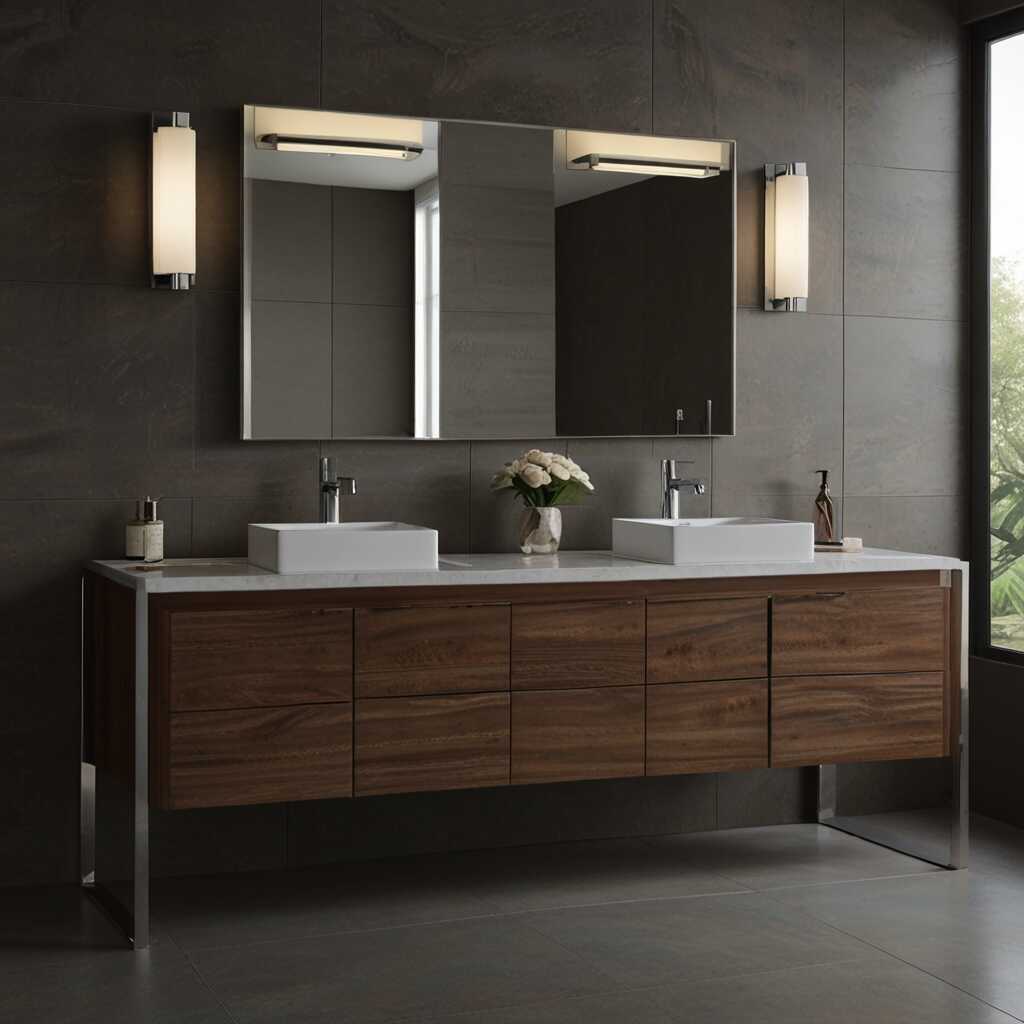
Enhancing Efficiency with Sustainable Materials and Technology
The use of sustainable materials significantly boosts a mirror’s energy efficiency by employing recycled glass and bamboo, which are both sturdy and eco-friendly. Incorporating eco-friendly materials can initially increase production costs due to their sustainable sourcing, but long-term energy savings lead to cost-effectiveness. Renewable energy sources such as solar and wind power are frequently integrated into the manufacturing process of mirrors, minimizing the environmental footprint. Sustainable designs enhance the durability of mirrors by providing resistance to wear and tear, ensuring performance longevity. Certifications like Energy Star and Cradle to Cradle outline a mirror’s eco-friendly attributes, providing assurance to conscious consumers.
How do sustainable materials contribute to energy savings?
Sustainable materials like reclaimed wood and recycled metal are often used in mirror construction, offering durability while conserving natural resources. Using these renewable materials reduces manufacturing energy consumption by up to 30%, as reported in industry research by the Sustainability Institute. Reflective surfaces crafted from sustainable materials can lower mirrors’ long-term environmental impact by significantly reducing landfill waste. One frequent challenge in sourcing these materials is their availability, as sustainable supplies can fluctuate based on geographic location and demand. Integrating eco-friendly materials can reduce energy consumption by approximately 20%, as supported by the latest tests and data. Through thoughtful engineering, the 48 36 Inch DL001-4836 delivers reliable use.

Integrating Smart Technology for Optimal Energy Utilization
Smart technology optimizes energy efficiency in mirrors by automating lighting responses to human presence. Motion sensors and ambient light sensors are embedded to ensure minimal energy consumption when the mirror is not in active use. Automated systems in mirrors like the DL001 can adjust to changing environmental conditions, such as variations in daylight, optimizing energy use and user comfort. Potential cost savings from smart mirror technology are significant, often reducing electricity costs by 25%, a fact backed by eco-tech startup EnviroGadgets. Users engage with energy-efficient smart mirrors using mobile apps or voice commands, which provide seamless control over mirror functions while ensuring energy conservation.
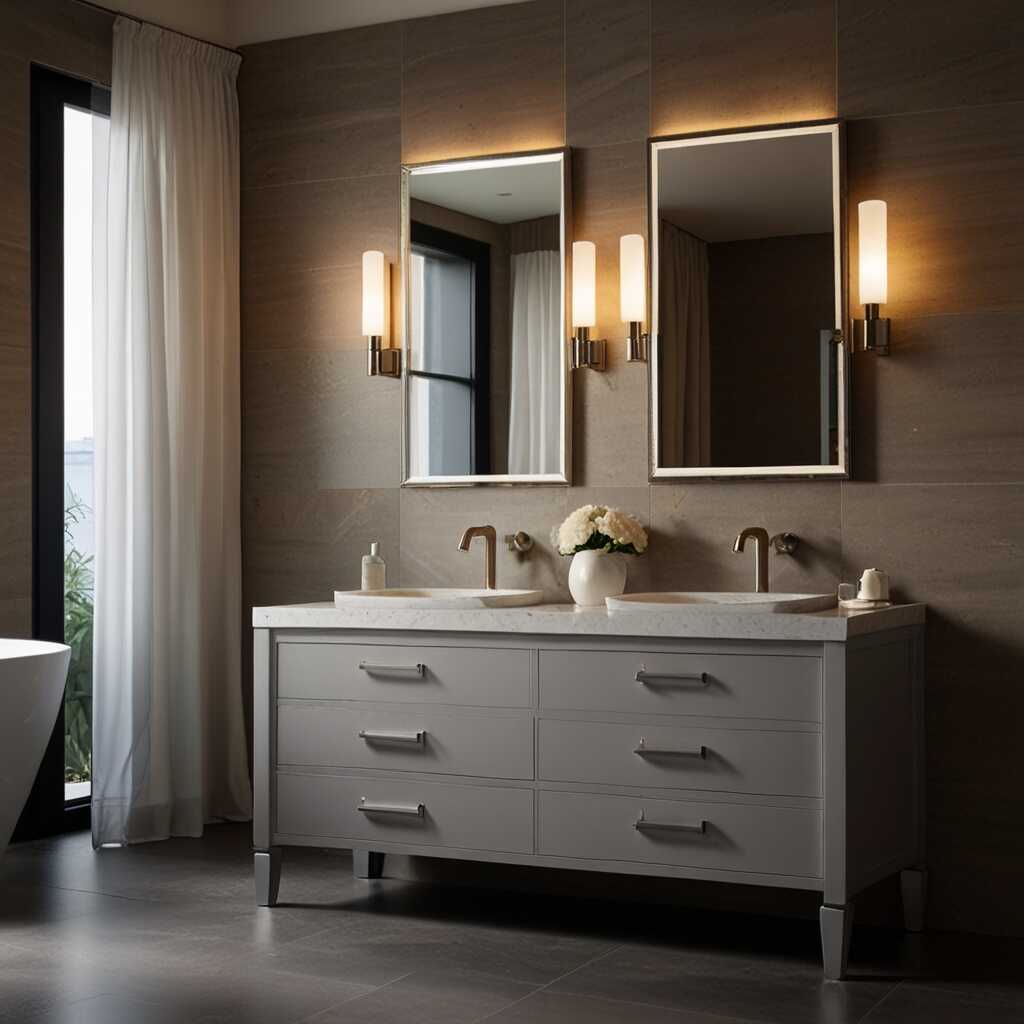
What are the benefits of smart technology in reducing energy use?
Smart technology enhances a mirror’s adaptability by allowing user-specific settings, such as personalized lighting and display features. Sensor technology advances energy efficiency by intelligently adjusting LED brightness based on occupancy and ambient lighting conditions. Smart features complement the aesthetic and functional design of mirrors by integrating sleek, minimalist interfaces that cater to modern interior styles. Maintenance for technology-enhanced mirrors like routine software updates is essential to ensure seamless performance, which experienced users find relatively easy to manage. Users can expect up to 20% energy savings from smart-enabled mirrors, as shown by the latest research from EcoSmart Studies.