
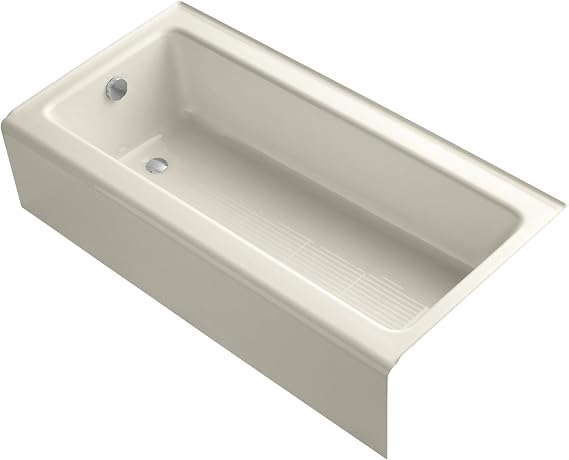
An alcove bathtub is a three-sided bathtub designed to fit into a recessed space between walls, typically providing a standard footprint of 60 to 72 inches in length. You need a dedicated alcove space with a pre-installed waste line and enough clearance for the tub’s specific width and depth before choosing this installation. Measure your alcove’s interior width and depth to ensure the tub’s outer dimensions allow for at least 1 inch of clearance on all sides to prevent structural flex or installation failure.
Can a shower stall replace an alcove bathtub?
A shower stall replaces an alcove bathtub by providing a dedicated standing area for washing that does not include a soaking basin. This option is often more cost-effective than a tub because it requires less material and occupies a smaller footprint, often as little as 32 by 32 inches. It beats an alcove bathtub when the primary goal is quick hygiene rather than relaxation or soaking in water. It stops making sense if you require a space for bathing children or a deep soak, as a shower stall lacks the interior volume to hold a significant amount of water.
Before making a final purchase, review the different alcove bathtub warranties to check before buying.
The spatial requirements of a shower stall
Shower stalls require a floor drain and a waterproof enclosure, which can be installed in spaces where a tub would not fit. A person might choose this when the bathroom layout is too narrow to accommodate a 60-inch long tub. This choice allows for a walk-in experience that prioritizes movement over depth.
Selecting the right dimensions is easy once you see how to choose the proper length for alcove bathtubs.
Where these choices show up in our reviews
3 options shown here, $169.58 to $633.62, each with its own full review behind its name.
Learn about the various styles available by viewing the different types of alcove bathtubs explained.


How do freestanding bathtubs compare to alcove tubs?
Freestanding bathtubs compare to alcove bathtubs by being independent fixtures that are not attached to three walls, offering a different aesthetic and layout. These units are generally more expensive than alcove models because they require more complex plumbing and often feature more expensive materials like cast iron or solid surface. They beat an alcove bathtub when you want a centerpiece design or have a bathroom layout that does not support a three-walled alcove. This option stops making sense when the bathroom is very small, as the tub requires clearance on all sides for cleaning and access.
For a foundational overview, see our guide on what an alcove bathtub is and how it works.
The plumbing requirements for freestanding tubs
A freestanding tub requires a floor-mounted faucet or a wall-mounted supply that must align with the tub’s specific drain location. If the waste pipe is not positioned directly under the tub’s outlet, the cost of relocating plumbing can exceed the price of the tub itself. A buyer must confirm the floor’s load-bearing capacity before choosing a heavy cast iron model.
Budget planning is easier when you see what alcove bathtubs cost at every price level.
Are walk-in tubs a viable alcove bathtub alternative?
Walk-in tubs are an alternative to alcove bathtubs that feature a door or low threshold, allowing a user to step into the basin without climbing over a high side. These units are significantly more expensive than standard alcove tubs due to the specialized door mechanisms and reinforced structural frames. They beat an alcove bathtub for users with limited mobility who need a safe entry point but still desire a soaking experience. This choice stops making sense when the user has full mobility and a standard alcove is available, as the door mechanism adds unnecessary complexity and maintenance.
To ensure the front of the tub sits correctly, see how to choose your apron depth for alcove bathtubs.
Safety thresholds and door mechanisms
Walk-in tubs require a specific alcove width to accommodate the door’s swing or slide path. A buyer must ensure the alcove is wide enough so the door does not hit the adjacent walls or vanity during operation. This is a critical measurement to prevent the door from becoming stuck or unusable.
For a deeper look at the specs, see our full Bellwether Alcove Bath review.
What are the risks of buying secondhand bathtubs?
Secondhand bathtubs are an alternative to buying new alcove bathtubs by sourcing used units from liquidations, renovations, or private sales. This route costs significantly less than a new unit but carries risks regarding structural integrity and surface finish. It beats buying new when the budget is the primary constraint and the tub is made of a durable material like cast iron or high-quality acrylic. It stops making sense if the tub shows signs of structural flex, deep cracks, or significant staining that cannot be refinished.
You can find a detailed breakdown in our full Kohler Underscore review.
Identifying durable materials when buying a secondhand bathtub
Cast iron and enameled steel are the most durable options for secondhand purchases because they resist cracking better than thin-walled fiberglass. A buyer should check the bottom of the tub for signs of heavy weight stress or previous structural repairs before purchasing.
Discover the specific features in our full Kohler 20201-RA-0 review.
Comparison of alcove bathtub alternatives
| Route | Who it suits | Main advantage | Where it breaks down |
|---|---|---|---|
| Shower Stall | Users prioritizing quick hygiene | Small footprint | Lacks soaking capacity |
| Freestanding Tub | Users seeking a centerpiece design | Flexible placement | Requires clearance on all sides |
| Walk-in Tub | Users with limited mobility | Safe entry point | High cost and door maintenance |
| Secondhand Tub | Budget-first shoppers | Lower purchase price | Potential structural damage |
When is buying a new alcove bathtub the right answer?
Buying a new alcove bathtub is the right answer when you have a dedicated alcove space and require a standard soaking experience with predictable dimensions. It is the correct choice when you need a specific drain location that matches existing plumbing without the need for heavy-duty door mechanisms or complex freestanding plumbing. If you need a tub that fits a standard 60-inch alcove and you want a fresh surface with a manufacturer’s warranty, a new alcove tub provides the most predictable installation outcome.
View the detailed technical analysis in our full Swiss Madison Voltaire review.
More alcove bathtub explainers and comparisons
- Alcove Bathtubs with Aprons Compared
- Choosing the Best Large Alcove Bathtub for Large Bathrooms
- The Alcove Bathtubs That Work Best for Left Hand Drains
- Which Alcove Bathtub is Best with a Right Hand Drain?
- Best Alcove Bathtub for Modern Bathrooms
- Luxury Alcove Bathtubs for Upscale Bathrooms Compared
Bathroom Accessories World is reader-supported: some links on this page are affiliate links, and as an Amazon Associate Bathroom Accessories World earns from qualifying purchases at no extra cost to you. Learn more.